Grade 9 students embark on their journey to senior school pathways under the revamped Competency-Based Education (CBE) framework
Over a million Grade 9 students have begun the exciting process of selecting their senior school pathways under Kenya’s Competency-Based Curriculum (CBC), now rebranded as Competency-Based Education (CBE). This marks a significant milestone in the nation’s educational transformation.
Each student is tasked with choosing three subject combinations and four schools for each pathway through a newly launched automated platform—selection.education.go.ke—introduced by the Ministry of Education.
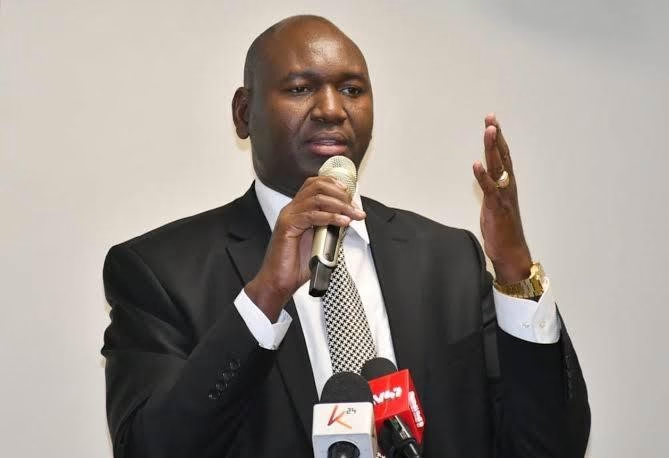
Principal Secretary for Basic Education, Julius Bitok, announced that the selection period will run from Sunday, June 9 to Sunday, June 30. Guided by their teachers, learners will select a total of 12 schools based on their personal interests, academic performance, and the capacities of the institutions.

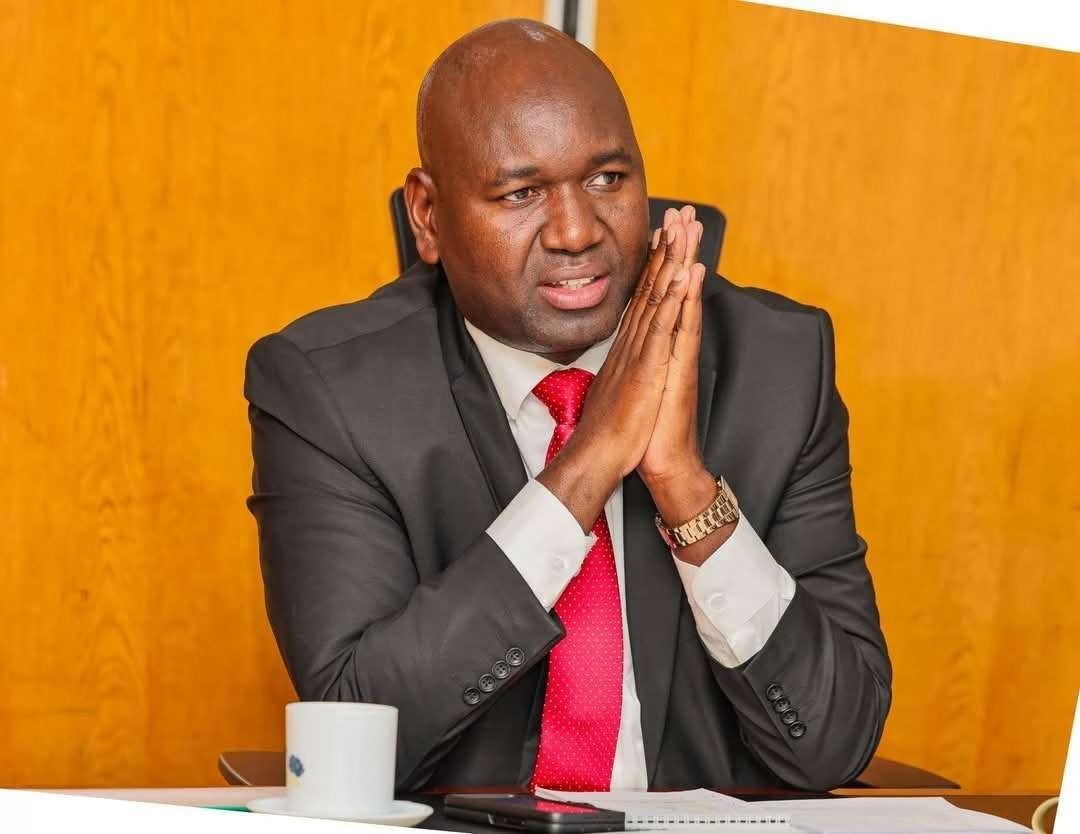
“The Ministry is laying the groundwork for the transition to Grade 10 in 2026, which involves selecting pathways, subject combinations, and senior schools,” Bitok explained.
He emphasized that each school must upload its subject offerings and declare its capacity, while Sub-County Directors will oversee the combinations to ensure quality and balance in student demand.
Students with special needs are permitted to choose fewer schools that provide the necessary support tailored to their requirements. “All field officers are expected to assist in this process,” Bitok added.
The CBE framework offers three distinct career pathways: Science, Technology, Engineering, and Mathematics (STEM), Social Sciences, and Arts and Sports Science. Some senior schools are designated as Triple Pathway Schools, offering all three options, while others are classified as Dual Pathway Schools, providing two.
Bitok noted that the placement process will take into account the Kenya Junior Secondary Education Assessment (KJSEA), which holds a weight of 60 percent, alongside School-Based Assessments (SBAs) from Grades Seven and Eight, each contributing 20 percent. The combined scores will determine student placements in senior schools, aligning performance with their chosen pathways.
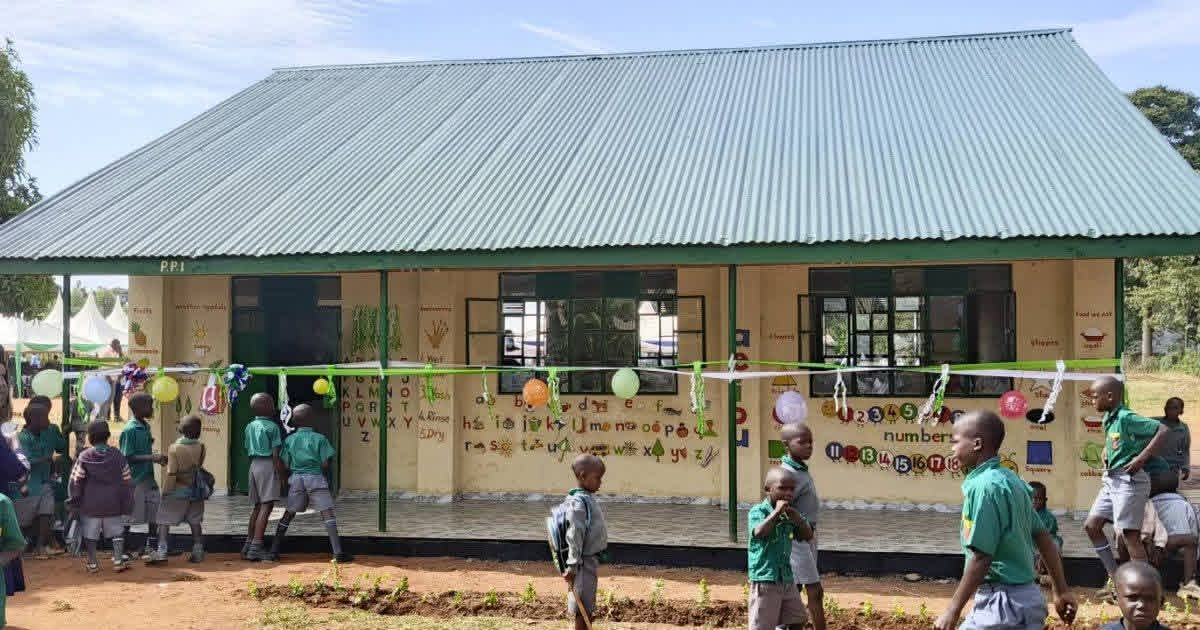
The government has mapped out schools and assessed their capacity to accommodate students based on their declared abilities and available infrastructure. To facilitate this transition, over 9,000 senior school principals have received training from the Teachers Service Commission to help guide students through the new system.
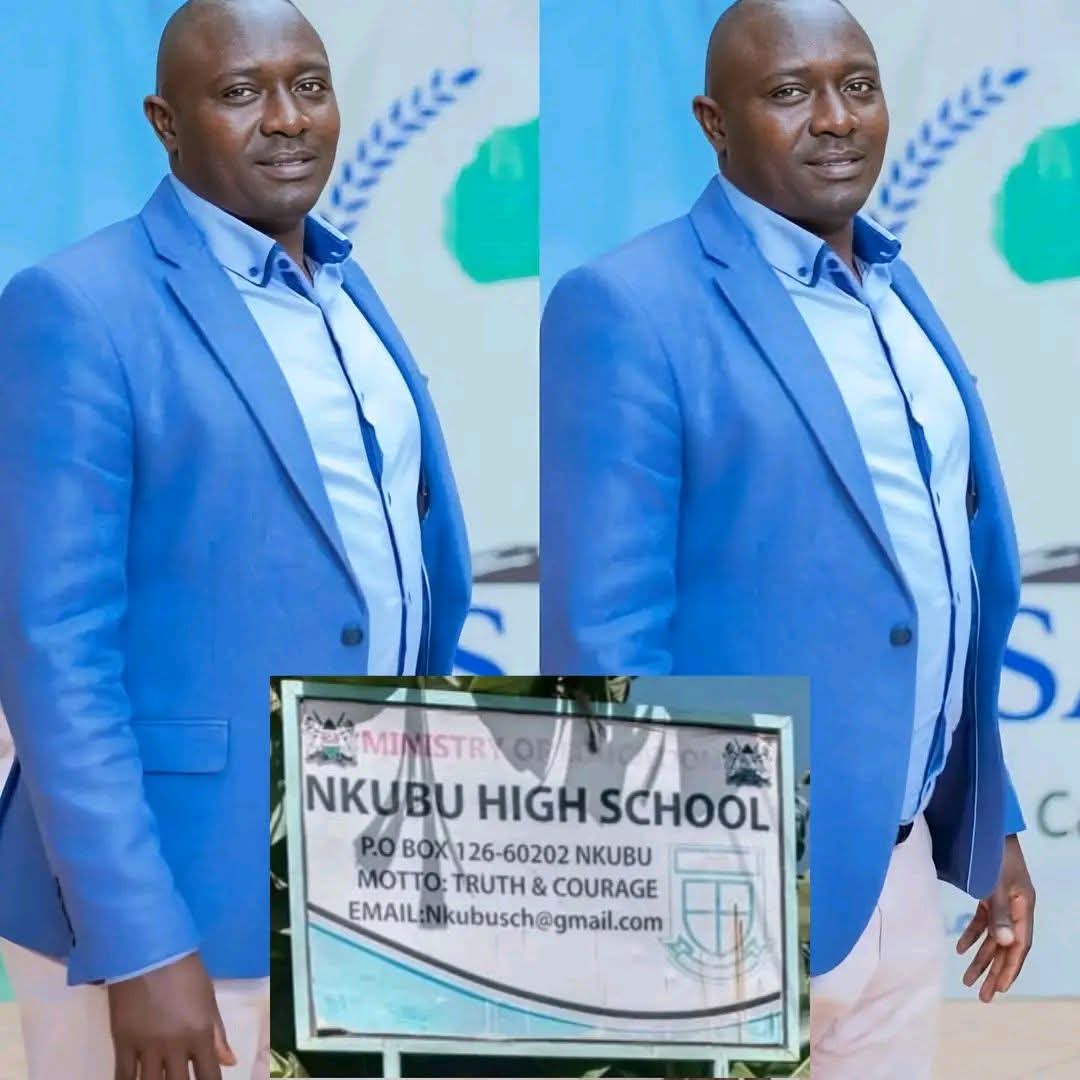
Willie Kuria, chairman of the Kenya Secondary Schools Heads Association, affirmed that schools are ready to welcome new learners. “Senior school serves as a pre-career phase. Our mission is to ensure that every student is placed in an environment where their interests, talents, and academic potential can flourish,” Kuria stated.
He highlighted that this initiative is more than just an academic placement. “It signifies the start of a journey that will lead these young learners into Grade 10 in 2026, guided not only by their grades but also by their passions, talents, and aspirations,” Kuria remarked.
Four core subjects—Mathematics, English, Kiswahili, and Community Service Learning—remain mandatory across all pathways. “Whether a child aspires to be a robotics engineer, a historian, or a football star, there’s a place for that dream here. This process ensures that every learner finds an environment where their potential can thrive,” Bitok concluded.
However, some parents continue to express concerns regarding transparency and the readiness of schools for this new system.