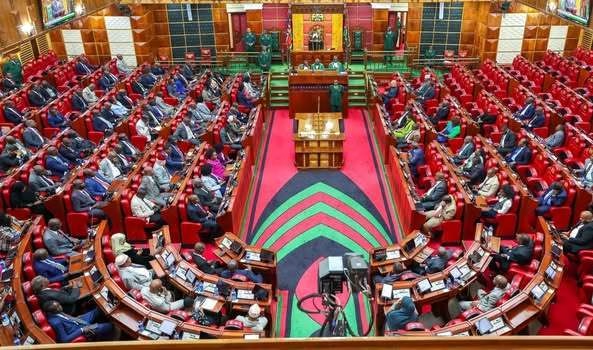
In summary: How Kenyan Students Miss Out on Bursaries Due to Politicians Misappropriating Funds.
Across Kenya, it is common to see parents waiting in long lines for bursary funds under the blazing sun. Politicians take advantage of these parents, presenting themselves as benefactors, but the reality is often self-serving. In many instances, only a fraction of applicants receive assistance.
Unbeknownst to these parents, their personal information is misused to redirect funds into the pockets of politicians. A former employee at a Member of County Assembly (MCA) office alleges that her former boss primarily targeted driving schools, hairdressing schools, and poorly developed local secondary schools to siphon off bursary funds.
While some students from these institutions are legitimate beneficiaries, many are fabricated, allowing for the misappropriation of public funds. “The MCA would send us as representatives to these institutions to establish trust,” she claims. “We pretended to be individuals making agreements with these institutions for security reasons and to avoid detection.”

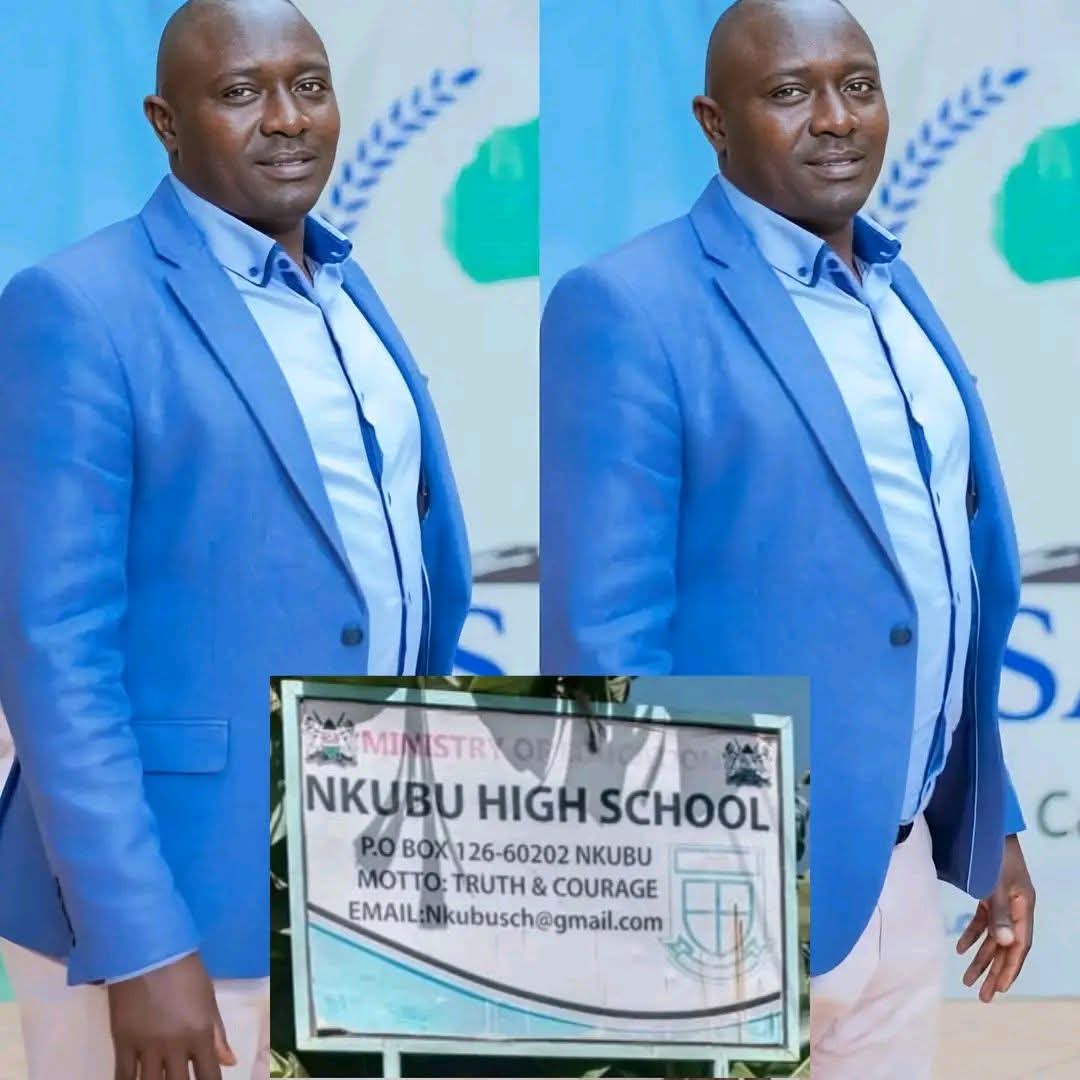
Once an agreement was reached, these institutions would create fake student profiles using stolen data, complete with admission numbers for the purpose of fund disbursement. “Arrangements were made regarding the institution’s share of the misappropriated funds, as cheques were deposited into the institution’s account before being withdrawn,” she explains. “This typically involved three or four institutions.”
For example, in 2018, a ward allocated bursaries totaling Sh260,000 to over 30 beneficiaries at two driving schools, which charge Sh5,000 for Class B learners and Sh10,000 for Class A learners.
Fidel Otieno, an orphan from Homa Bay County, has spent much of the second term at home due to a lack of school fees. The Form 2 student at Oriwo Boys’ Secondary School has been applying for bursaries without success since he entered Form 1. His guardian, Hellen Arum, has been unable to secure funding from either his home constituency in Kisumu County or his current residence in Homa Bay.
“Unfortunately, Otieno has never received a single cent despite our numerous applications since he joined Form 1,” says Arum, a stay-at-home mother. “Both counties keep giving us the runaround. They come up with various excuses every time I apply. One county said since Otieno no longer lives in Kisumu, he should apply for a bursary in Homa Bay, while the other insists he should get one from his birth county.”
Otieno is among many students who have turned to WhatsApp groups to organize fundraising efforts for school fees. By the end of April, he had only managed to raise Sh14,000 out of a target of Sh60,000.
Francis Obiri, a student from Kibra, is working at a construction site to fund his university education after failing to secure bursaries. Studying economics at Maseno University, he has had to defer his studies and has lost hope of receiving bursary funds. “They keep telling me my documents don’t match, yet these are the same documents I used to apply for bursaries in high school,” he says.
Across the country, MCAs receive approximately Sh3.5 million in bursaries annually. A 2020 report by the Ethics and Anti-Corruption Commission and the Directorate of Criminal Investigations highlighted several MCAs for misappropriating millions in public funds. One fictitious company had an MCA’s assistant, his wife, and the personal assistant’s wife as directors, used to embezzle bursaries. Investigations revealed a coordinated effort where the directors withdrew Sh449,000, Sh624,000, and Sh900,000 from various bank branches in Nairobi.
The report also implicated another MCA, stating that he and others created a shell company to misdirect bursaries. Investigators uncovered over 77 forged bursary cheques and 129 imaged cheques totaling Sh4.9 million. One director withdrew Sh200,000 from a local bank in Kahawa, Sh600,000 from a bank in Ongata Rongai, and Sh225,000 from Jomo Kenyatta International Airport. The MCA denied any connection to the company, asserting, “I am not aware of that company, and I am telling you that Nairobi bursaries are paid to schools, not limited companies. Furthermore, I am not a signatory to the company.”
Uraia’s executive director, Oliver Waindi, describes the embezzlement of bursaries as a theft not only from a generation but from the entire nation’s future. “This is incredibly frustrating and reflects a profound lack of patriotism,” he states. “We can tolerate poor roads and inadequate buildings, but we cannot afford to have an education system stripped of resources.”
Waindi further criticized the lack of progress on many investigations due to inadequate mechanisms for holding offenders accountable. “The same individuals who embezzled bursaries at the ward level are often promoted to governorships in subsequent elections, managing larger budgets, perpetuating the cycle of public fund theft,” he adds.
Flywheel Advisory, a consultancy specializing in forensic accounting and financial crime investigations, warns that those involved in illicit financial flows have developed numerous methods for committing fraud. “It poses a significant threat as vast sums of money can be transferred with a simple click. Raising awareness, educating regulators, and enhancing transaction tracking capabilities are crucial,” says executive director Grace Mburu.
Kenya has over ten laws aimed at combating corruption, but this over-legislation has hindered the prosecution of corruption cases. A Transparency International report noted that poor coordination among institutions responsible for fighting corruption is another reason the battle against corruption remains elusive. Coupled with the underfunding of independent bodies tasked with budget oversight, this has allowed corruption to flourish.
The report, released earlier this month, indicated that the Office of the Director of Public Prosecutions concluded only one corruption case in the 2014-15 financial year. In the 2022-23 financial year, the office made some progress, finalizing 75 cases, but with a conviction rate of just 36%.
The management of county bursary funds has recently led to disputes between county governments and the Controller of Budgets. While the Controller insists that it is not within the county’s mandate to distribute bursaries to primary and secondary school students, governors argue that it is a noble initiative that has secured the futures of many needy students.
Sheila Masinde, executive director of Transparency International Kenya, stated that the government’s continued funding of these institutions, despite awareness of ongoing embezzlement, constitutes budgeted corruption. “The Auditor General and the Controller of Budget cannot address these issues of budgeted corruption due to underfunding and the weakness of current public finance management laws,” she said.
Masinde called for the implementation of the Whistleblower Protection Bill to aid in the fight against corruption. This project received support from the Thomson Reuters Foundation through the Media Foundation for West Africa, as part of its global efforts to strengthen free, fair, and informed societies. Any financial assistance or support provided to the journalist has no editorial influence.