Major Overhaul in Junior School Leadership: New Administration to be Led by Secondary School Teachers
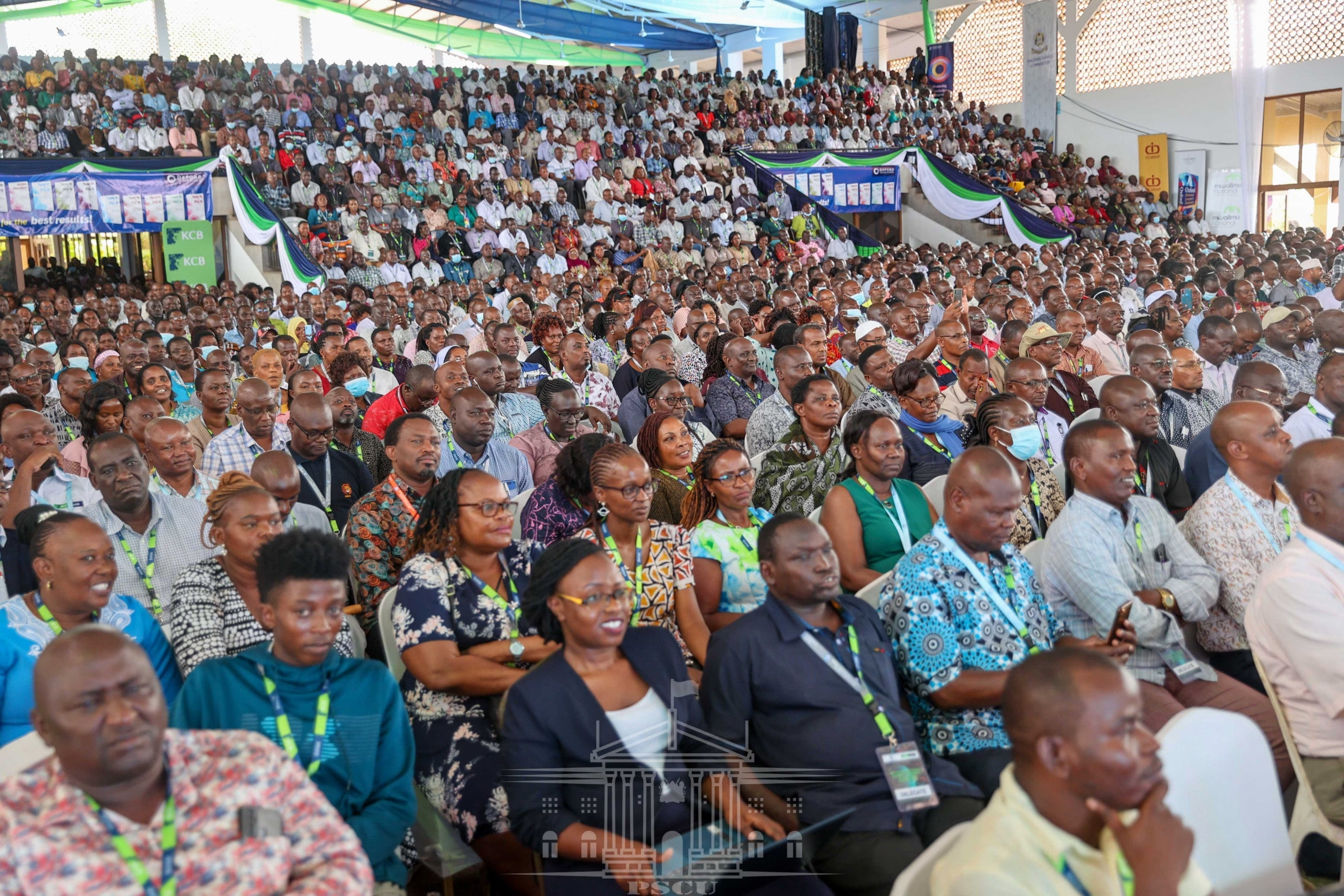
Major Overhaul in Junior School Leadership: New Administration to be Led by Secondary School Teachers
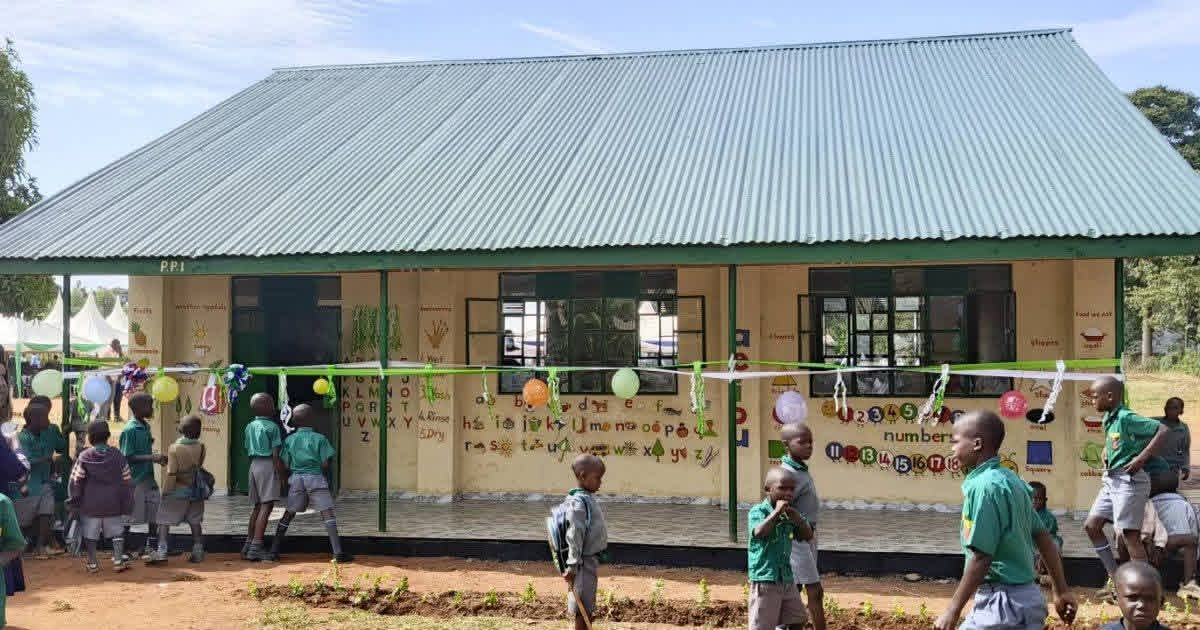
The Kenyan education system is set to undergo substantial transformations with the establishment of new leadership frameworks for junior secondary schools, which include Grades 7, 8, and 9. The Ministry of Education has declared that beginning next year, secondary school teachers will assume leadership roles in these institutions, marking a significant change from the present system, in which primary school heads supervise both primary and junior secondary education. This initiative is part of the broader Competency-Based Curriculum (CBC) reform aimed at elevating the quality of education and enhancing management structures within schools throughout the nation.
As per the Ministry’s most recent guidelines, each junior secondary school will be directed by a principal, assisted by deputy principals and senior masters, with designated roles tailored to different administrative and academic tasks. This reform denotes the division of responsibilities between primary and junior secondary education, enabling primary school heads to concentrate on Grades 1-6, while a new group of seasoned secondary school administrators takes charge of the governance of junior secondary schools.
A crucial aspect of this reform is the introduction of a Curriculum-Based Establishment (CBE), which will steer the administration of junior secondary schools. According to the Ministry’s document, various guidelines have been established to ensure that the transition to the new leadership framework is seamless and efficient.

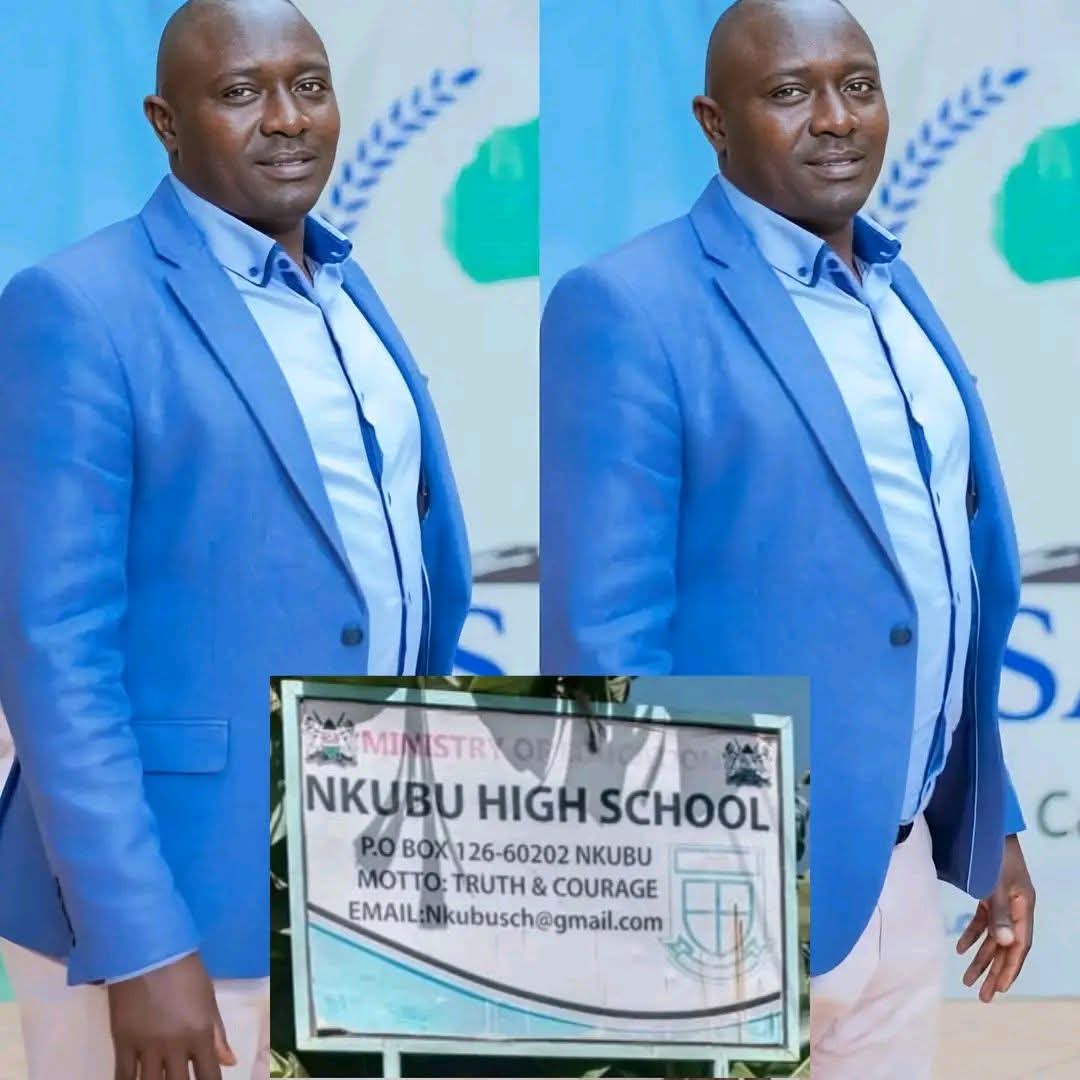

The CBE specifies how staff allocation in junior secondary schools will be handled, ensuring that an adequate number of teachers is available to manage the prescribed workload.
Workload for Teachers:
Teachers in junior secondary schools will be required to manage a minimum of 27 lessons each week. This is to guarantee that students receive quality instruction consistent with the CBC. Nevertheless, the maximum class size for any teacher will be limited to prevent excessive workloads.
Administrative Roles:
In situations where two deputy principals are appointed at a school, one will take charge of academic matters, while the other will oversee administration and non-academic duties. The principal will be responsible for a teaching workload of 10 lessons per week, while the deputies and senior masters will manage 12 lessons each week.
Establishment of Senior Positions:
The appointment of deputy principals and senior masters will depend on the school’s size and the number of streams it accommodates. Larger schools will necessitate more administrative personnel to oversee the daily operations and ensure efficient functioning.
Boarding Facilities and House Teachers:
Schools providing boarding services will also include provisions for house teachers (Senior Masters) who will oversee the welfare and discipline of students residing in the boarding section. These house teachers will be allocated according to the size of the boarding facility, with one teacher assigned for every 270 students.
Lesson Allocation and Staffing:
The Ministry has outlined a distinct framework for ascertaining the number of teachers needed for each learning area, guaranteeing that schools are sufficiently staffed in accordance with the subjects offered and the frequency of lessons conducted each week.
The Ministry has established a systematic approach for identifying the number of teachers needed per learning subject. The number of lessons assigned per subject is determined by summing the lessons taught at each grade level for every subject. For example, the table included in the Ministry’s document illustrates the distribution for subjects such as English, Mathematics, Religious Education, and Social Studies. Each subject receives a designated number of lessons per week, and the overall number of teachers required is computed based on the aggregate number of lessons provided across the grades.
For instance, English has 15 lessons designated for Grades 7, 8, and 9, and the total number of teachers needed for this subject is 0. 555. This number is derived by dividing the total number of lessons by 27, which is the typical number of lessons that a teacher is expected to manage each week.
The overall number of teachers needed by a school is determined by summing the teachers required for each subject, ensuring that the institution has sufficient personnel to address the educational requirements of the students. This method guarantees that schools are staffed effectively and that teachers are not overwhelmed.
Implications of the New Administrative Changes
The transition to a secondary school-led administration for junior secondary schools signifies a notable change in the Kenyan education system. The distinction between primary and junior secondary school leadership facilitates more specialized and targeted management at both levels. By placing experienced secondary school teachers in charge of junior secondary schools, the Ministry seeks to improve the educational quality and assure that students receive optimal support as they progress from primary to secondary education.
One of the primary advantages of this new system is the likelihood of enhanced school management. Secondary school principals, equipped with experience in managing larger student bodies and more intricate curricula, are better prepared to address the challenges faced by junior secondary schools. Moreover, the addition of deputy principals and senior masters will offer essential assistance to the principals, enabling them to concentrate on both academic and administrative responsibilities.
This new framework also opens avenues for professional advancement for secondary school teachers. By providing leadership roles in junior secondary schools, the Ministry is establishing a clear path for teachers to elevate their careers and take on greater responsibilities.
The Role of Primary School Heads
While primary school heads will no longer oversee junior secondary schools, their responsibilities in managing Grades 1-6 continue to be vital. The emphasis on early childhood education and the foundational stages of learning is essential for the success of the CBC, and primary school heads will play an important role in ensuring that students are adequately prepared for the transition to junior secondary school.
The Ministry’s choice to differentiate the leadership of primary and junior secondary schools reflects the increasing complexity of the education system. By forming distinct leadership structures for each educational level, the Ministry aims to guarantee that both primary and junior secondary schools receive the necessary attention and resources to flourish.