MP seeks to add more allowances to teachers in new TSC bill
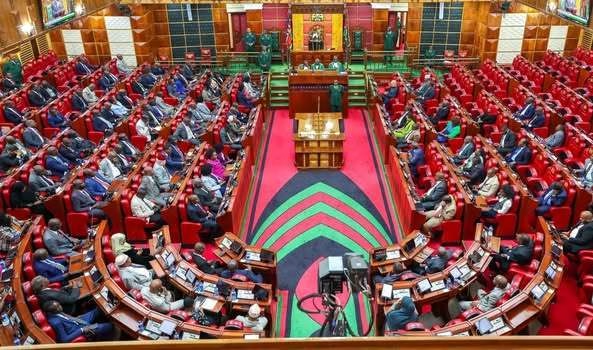
A new bill aimed at increasing allowances for teachers has been introduced in the National Assembly, potentially leading to significant salary increases for educators.
Sponsored by Mandera South MP Abdul Haro, the bill seeks to amend the Teachers Service Commission Act of 2012 by adding provisions for various allowances that the Teachers Service Commission (TSC) can offer to teachers in addition to their base salaries.
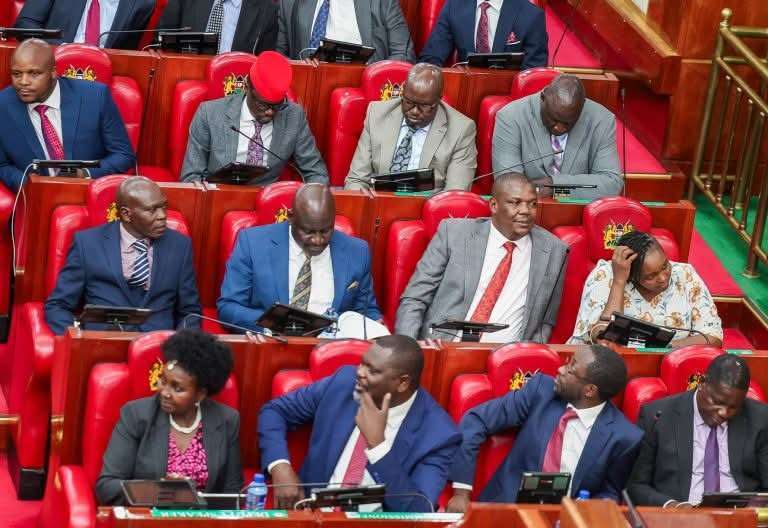
The legislation also aims to ensure fairness in acting positions within the TSC, establishing a structured process for granting acting appointments. According to a statement from the National Assembly, the bill includes a new clause in Section 32A that specifies the TSC may appoint a teacher to an acting role for a period of at least thirty days and up to six months, provided the teacher meets all necessary qualifications.


Furthermore, teachers in acting roles will receive a special duty allowance and can only occupy one acting position at a time. The bill also presents a detailed Fourth Schedule outlining various allowances that may be provided to teachers under specific conditions.
These proposed allowances, most of which are non-pensionable except for the responsibility allowance earned until retirement, include housing, commuter, hardship, special duty, responsibility, special school, reader’s facilitation or aid, leave, and transfer allowances.
The bill will move to the Education Committee for public input and engagement with stakeholders.
This initiative follows another bill proposed by Kimilili MP Didmus Barasa, which aims to ensure representation from primary, secondary, and tertiary educational institutions on the TSC. Barasa stated on February 24, 2025, that he is working to amend the TSC Act to allow for teacher representation on the Commission, similar to the structures in the Judicial Service Commission and the Parliamentary Service Commission. He emphasized the importance of creating a more representative and effective TSC that meets the needs of those it serves.
The TSC is led by a chairperson and consists of eight commissioners responsible for managing teachers’ affairs and promotions. Barasa suggests that three of these commissioners should be selected from actual stakeholders in the education sector.