New group of scholars joins icipe’s Ksh 258M training initiative
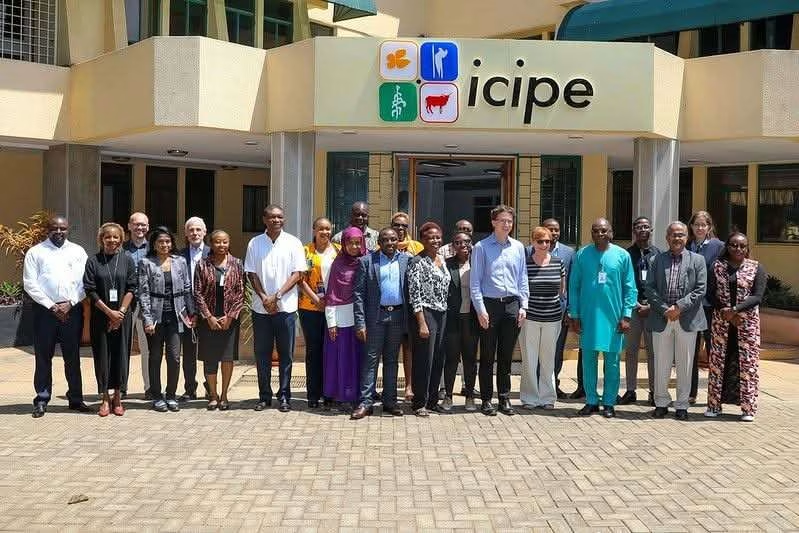
The International Centre of Insect Physiology and Ecology (icipe) has welcomed its sixth group of scholars who will pursue doctoral training and research in various sectors crucial for regional development.
Cohort 6, funded by the Government of Kenya with Ksh 258 million ($2 million) through the Partnership for Skills in Applied Sciences, Engineering and Technology (PASET) Regional Scholarship and Innovation Fund (Rsif), aims to address skill and knowledge gaps essential for sustained economic growth in sub-Saharan Africa.
“As a government, we are eager to see the contributions you scholars will make to our nations. We want you to create a positive impact in the lives of the people and communities you represent,” stated James Muchiri, a representative from the Ministry of Education at the PASET Executive Board.
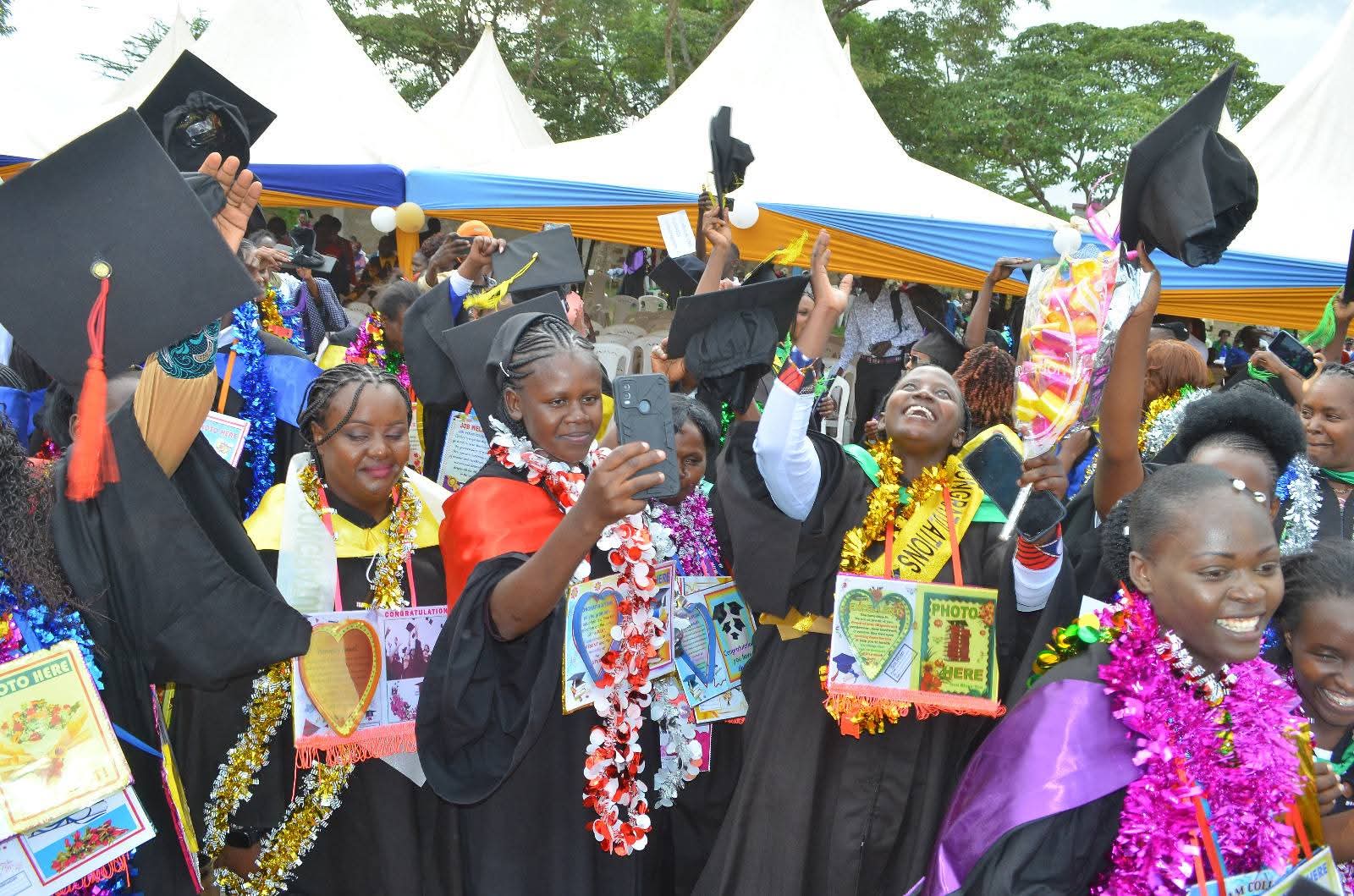


This cohort consists of 21 scholars selected from various universities, including 16 Kenyans and 4 from Ethiopia, Nigeria, Burkina Faso, and Tanzania. Kenya, as the primary funder, has been allocated 80% of the slots, while the remaining 20% is designated for other countries, in line with the PASET 80/20 rule.
“Since this funding comes from taxpayers, the contributing countries have made significant sacrifices to ensure that the African continent advances in science, technology, engineering, and mathematics (STEM) for its prosperity. As the World Bank, we are grateful to the African Host Universities (AHUs), International Partner Institutions (IPIs), African Governments, and the Government of Korea for their collaboration in making this program successful,” remarked Ruth Charo, Senior Education Specialist and Task Team Leader for the Rsif project at the World Bank.
The 21 scholars were chosen from over 810 applications, with 8 women among them, emphasizing the importance of gender equity in STEM fields.
“You are the next generation of thought leaders, problem-solvers, and changemakers. The knowledge and skills you acquire through this program will not only enhance your careers but also contribute to Africa’s socio-economic transformation,” added Prof. Aminata Sall Diallo, Chair of the PASET Executive Board.
Established in 2015, Rsif focuses on transformative technologies with significant societal impacts, such as ICTs, food security, minerals and mining, energy, and climate change.
Since its inception in 2018, Rsif has supported 302 PhD students, of whom 45 have graduated and returned to their home countries.
“Rsif is a prestigious and highly competitive PhD scholarship program in Africa, both in its structure and content,” stated Dr. Julius Ecuru, Rsif RCU Manager at icipe.
Rsif has developed into one of the largest academic and research networks in Africa, with over 450 active scientists, including the scholars.
The fund is supported by Kenya, Benin, Burkina Faso, Cote d’Ivoire, Ghana, Mozambique, Nigeria, Rwanda, Senegal, the World Bank and the Government of Korea.