Parents demand timely capitation ahead of schools’ reopening
Parents across the nation have expressed worries about the delays in the release of capitation funds by the Ministry of Education, just days before schools are scheduled to reopen for the second term.
With learning institutions preparing to restart, school administrators and caregivers are concerned that any further delays might disrupt operations, negatively impacting the quality of education.
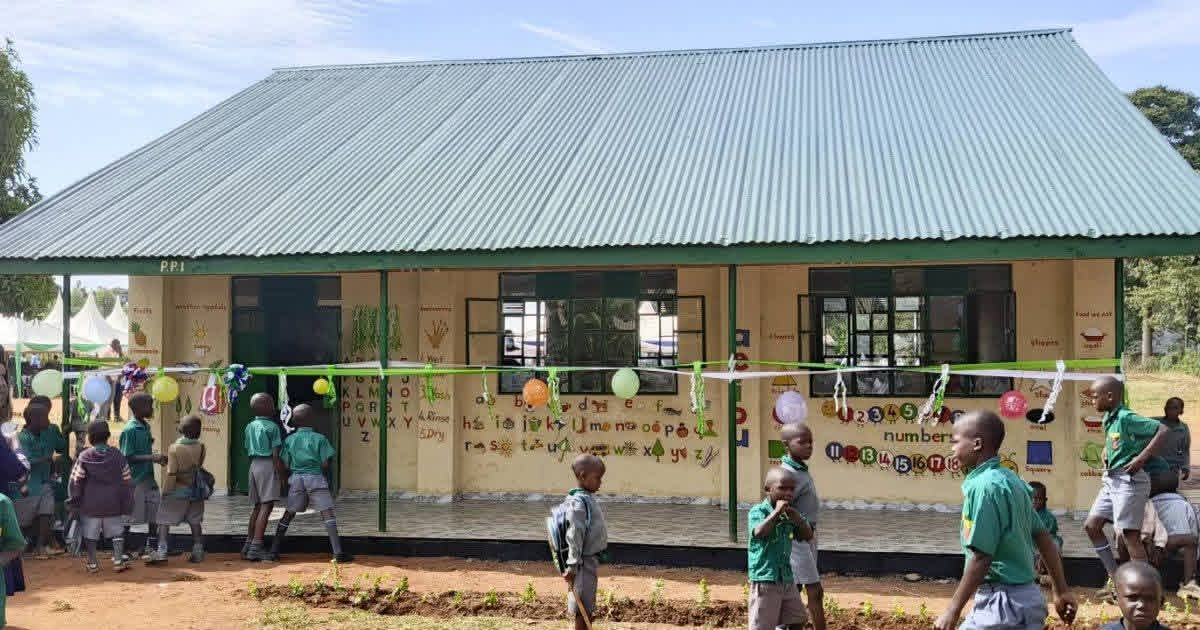
Public schools depend significantly on government-allocated funds to manage operational expenses, which include staff salaries, infrastructure upkeep, and educational materials.
Nevertheless, ongoing delays in the release of funds have left many institutions struggling to fulfill their financial responsibilities.



“We cannot efficiently operate schools without timely funding,” stated Ann Langat, a parent representative in Bomet County. “Delays force schools to impose additional levies on parents, many of whom are already grappling with high living expenses. ”
Education stakeholders are now advocating for stricter supervision to ensure timely disbursement of capitation funds. “The government must prioritize the funding of education to prevent unnecessary interruptions,” remarked Grace Tanui, a teacher in Kericho. “Delays adversely affect both students and institutions. ”
As the reopening day approaches, parents and school leaders remain optimistic that the ministry will respond quickly to prevent another crisis.
The delayed release of capitation funds to public schools continues to be a persistent issue, disrupting learning and compelling institutions to operate with limited budgets.
Capitation funds, which are designated per student under the Free Primary and Day Secondary Education initiatives, are intended to cover vital school costs, such as textbooks, infrastructure, and operational expenses. Yet, delays have become commonplace, putting school administrators in financial difficulty.
“This is not an unfamiliar problem—it occurs every term,” mentioned Jane Muthoni, a teacher in Nakuru County. “We are compelled to borrow from suppliers or request additional contributions from parents, which undermines the notion of free education. ”
Consequences of delayed capitation include accumulated debts, overburdened parents, poor learning conditions, and delays in repairs, among others.
The Ministry of Education has consistently promised timely disbursement, yet delays continue to occur. In the 2023 financial year, Auditor-General reports indicated that some schools received funds months late, putting them in a position of deficit spending.
“We are in the process of releasing the funds and expect them to be available shortly,” stated a ministry official who requested anonymity. However, stakeholders are still doubtful, citing a lack of accountability.
Education experts assert that systemic inefficiencies, bureaucratic obstacles, and inadequate budget planning are contributing factors to the delays.
“The government must automate and streamline the disbursement process to coincide with school terms,” said Dr. Moses Malawi, an educationist. “Delays damage the very foundation of free education. ”