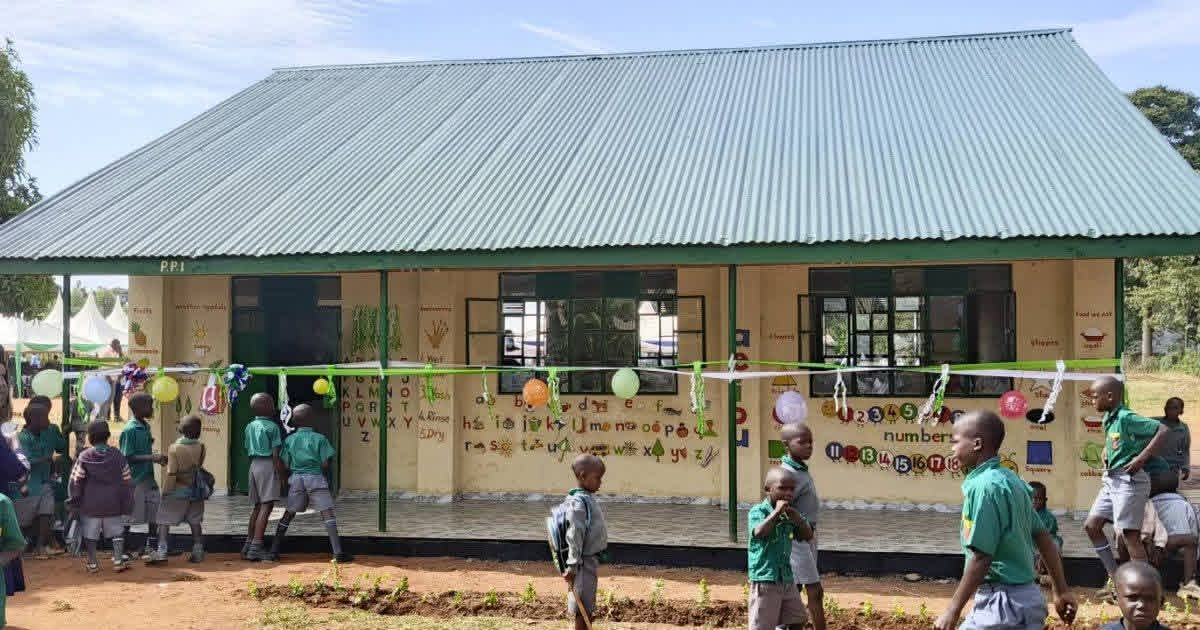
PETITION TO THE NATIONAL ASSEMBLY FOR THE RECOGNITION OF JUNIOR SECONDARY SCHOOLS AS FULLY INDEPENDENT INSTITUTIONS
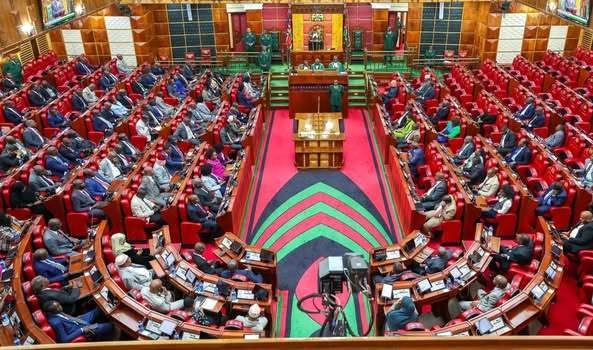
PETITION TO THE NATIONAL ASSEMBLY FOR THE RECOGNITION OF JUNIOR SECONDARY SCHOOLS AS FULLY INDEPENDENT INSTITUTIONS
To:
The Clerk of the National Assembly,
Parliament Buildings,
P.O. Box 41842-00100,
Nairobi, Kenya.
We, the undersigned members of the Kenya Union of Post Primary Education Teachers (KUPPET), wish to draw the attention of the Honorable House to the concerns raised by teachers and education stakeholders regarding the implementation of Sessional Paper No. 2 of 2024 on the National Education Policy.
While acknowledging the government’s commitment to improving education, we are deeply concerned with the Comprehensive School Model which merges pre-primary, primary, and Junior Secondary under a single administration. In our considered view, this arrangement undermines the principles of the Competency-Based Curriculum (CBC), blurs accountability, and poses a serious risk to the quality of learning.
REASONS FOR THE PETITION
1. Clear Education Tiers
The CBC design (2-6-3-3-3) was built on the premise that each stage of learning should stand on its own. Junior Secondary, as a bridge between primary and senior secondary, requires a governance structure distinct from primary schools to safeguard quality and smooth progression.


2. Specialized Teaching Workforce
Teachers recruited for Junior Secondary are degree holders trained in subject specialization. This confirms JSS as a secondary-level entity, not a continuation of primary education. Effective utilization of these professionals demands independent management.
3. Curriculum Requirements
Junior Secondary involves subjects such as pre-technical studies, integrated science, ICT, and business studies. These require specialized teaching and facilities that cannot be properly managed under a primary school set-up.
4. Institutional Identity and Codes
Each JSS has been issued with a unique KEMIS code, already marking it out as a separate institution. Domiciling them in primary schools contradicts this recognition.
5. Funding and Accountability
Capitation for JSS is released separately from primary school funds. Without independent administration, there is a risk of misallocation and poor accountability of these resources.
6. Infrastructure and Facilities
Junior Secondary learners require laboratories, libraries, workshops, and ICT centers. These cannot be adequately developed or managed under the infrastructure of primary schools.
7. Adolescents’ Needs
At ages 12–15, JSS learners are adolescents who need mentorship, discipline systems, and psychosocial support aligned to their stage—not the systems designed for younger pupils.
8. Career Progression for Teachers
Establishing JSS as stand-alone schools will create more leadership positions, ensuring fair promotions and career advancement for teachers.
OUR PRAYERS TO THE NATIONAL ASSEMBLY
1. That Parliament enacts legislation to make Junior Secondary Schools fully autonomous institutions with their own boards, administrators, and governance frameworks.
2. That the Teachers Service Commission (TSC) appoints heads/principals specifically for JSS to provide leadership and accountability.
3. That a clear policy framework be developed to outline the career paths, responsibilities, and terms of service for JSS teachers.
4. That funds, facilities, and resources allocated to JSS be ring-fenced and administered solely by Junior Secondary administrations.
5. That the government prioritizes the construction and equipping of specialized JSS facilities such as laboratories, ICT hubs, libraries, and workshops to meet curriculum demands.
We submit that giving autonomy to Junior Secondary Schools will secure the future of the Competency-Based Curriculum, enhance accountability, and improve education outcomes for Kenyan learners.
Respectfully submitted,
Members of KUPPET