Principals Prepare for Transition to Senior School
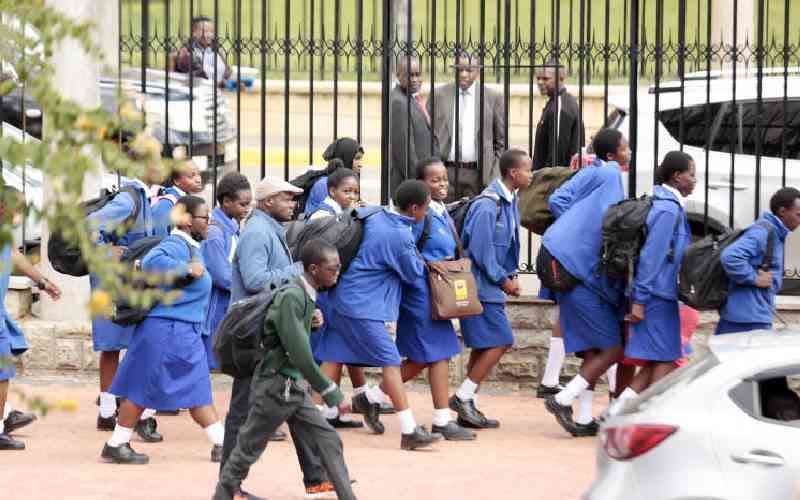
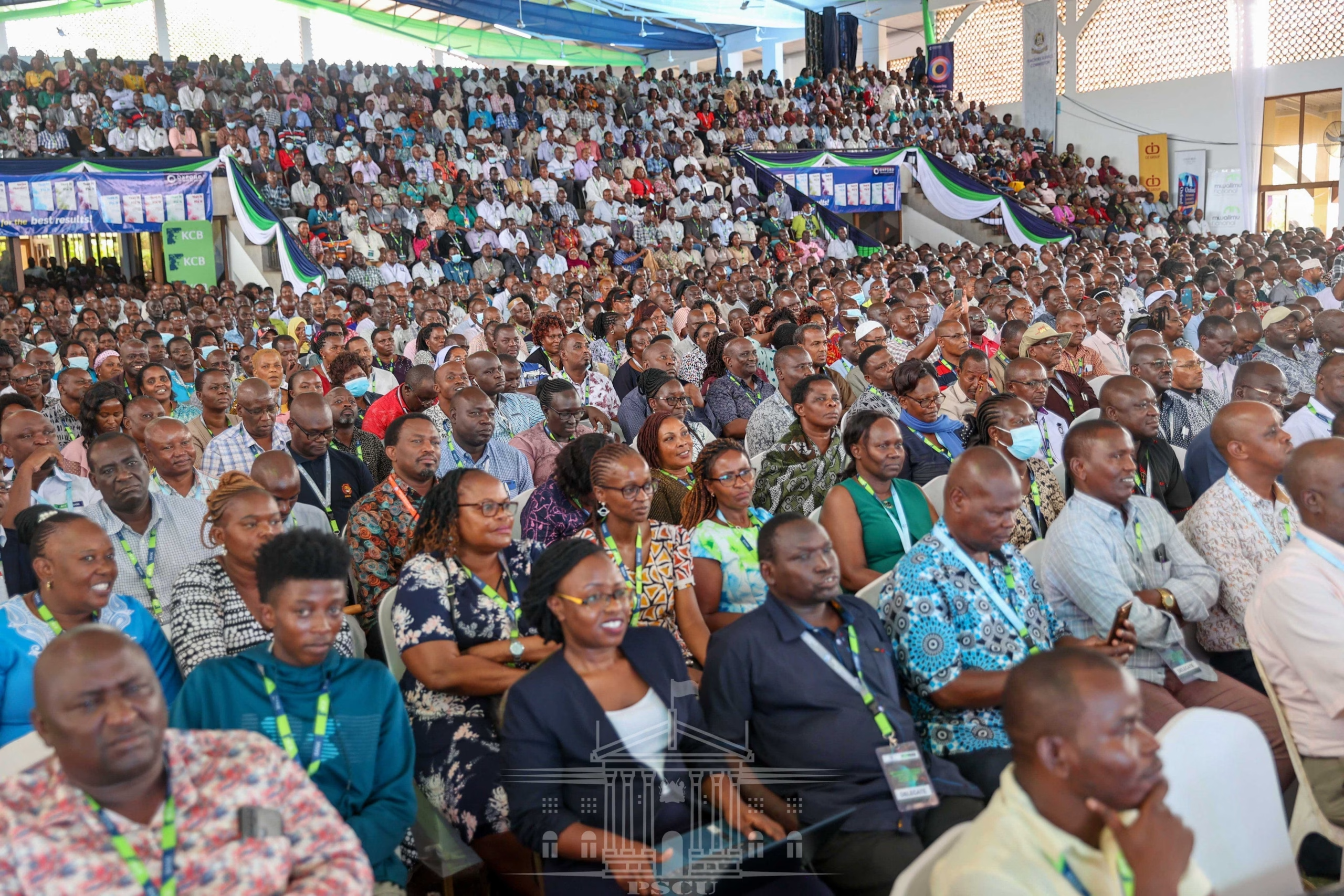
Thousands of school principals nationwide are participating in training to prepare for the transition of Junior Secondary School (JSS) students to Senior Secondary School, which will begin next year.
This nationwide training initiative, led by the Ministry of Education and supported by the Centre for Mathematics, Science and Technology Education in Africa (CEMASTEA), aims to reach over 7,000 principals.
The goal is to provide them with the necessary knowledge and skills to implement the new Competency-Based Education (CBE) framework and to guide Grade 9 students into three specialized pathways in senior school: STEM, Arts and Sports, and Social Sciences.
Nancy Macharia, CEO of the Teachers Service Commission, emphasized the crucial role of principals in ensuring the success of this transition.
“You are the frontline leaders, and your guidance is essential. It is your responsibility to facilitate a smooth transition and effective implementation of the CBC in senior schools,” she stated.
She also noted that this transition marks an important step in establishing career pathways that align with students’ interests and abilities.
“As we prepare for the first group of Grade 10 students in 2016, it is vital to ensure we have the necessary facilities, well-trained teachers, and a supportive learning environment,” Macharia added.
The new curriculum will introduce career specialization from Grade 10 to 12, allowing students to choose between STEM, Arts and Sports, or Social Sciences.
Each student will study seven subjects: four core subjects—English, Kiswahili, Community Service Learning, and Physical Education—and three electives based on their selected pathway.
“The modern economy requires a workforce that is not only knowledgeable but also adaptable and innovative. The shift to competency-based teaching is intended to prepare students for various post-secondary options,” she explained.
With training centers established in all 47 counties and a commitment to training department heads, teachers, and support staff, the Ministry of Education has indicated that this transition is a national priority.
CEMASTEA Director Makoba Kizito noted that the training program was developed based on a survey of 1,300 principals, which revealed their need for a better understanding of the CBC pathways, admission criteria, and infrastructure requirements.
“The STEM pathway will be mandatory in all schools, and each institution will offer at least one additional pathway based on its capabilities,” Kizito said, highlighting the importance of parental involvement in the transition.
“Parents play a crucial role in this process. They will help guide students in making informed decisions about their pathways. Mentorship and effective communication are essential,” he emphasized.
Willy Kuria, chairman of the Kenya Secondary School Heads Association (KESSHA), mentioned that schools are preparing to welcome students in January.
“This training has answered many of the questions we had. Now, we feel ready to welcome our first cohort of Grade 10 learners,” said Kuria.
Kuria acknowledged the initial concerns about managing the shift from the 8-4-4 system, particularly around assessments and new teaching methods.
“The CBC is the best system because it emphasizes formative assessment over high-stakes exams. It will reduce exam irregularities and help students develop practical skills,” he added.
Benson Manoo, Principal of Machakos School praised the curriculum for encouraging creativity and innovation.
“We’ve learned to make use of local resources instead of relying on expensive materials. This system trains learners to be self-reliant,” he said.
Anthony Thuo, principal of Ofafa Jericho high school pointed out the broader economic benefits of the CBC.
“Our modern economy demands more than just knowledge. It requires innovation and adaptability. The CBC is designed to equip learners for multiple post-secondary pathways,” he said.
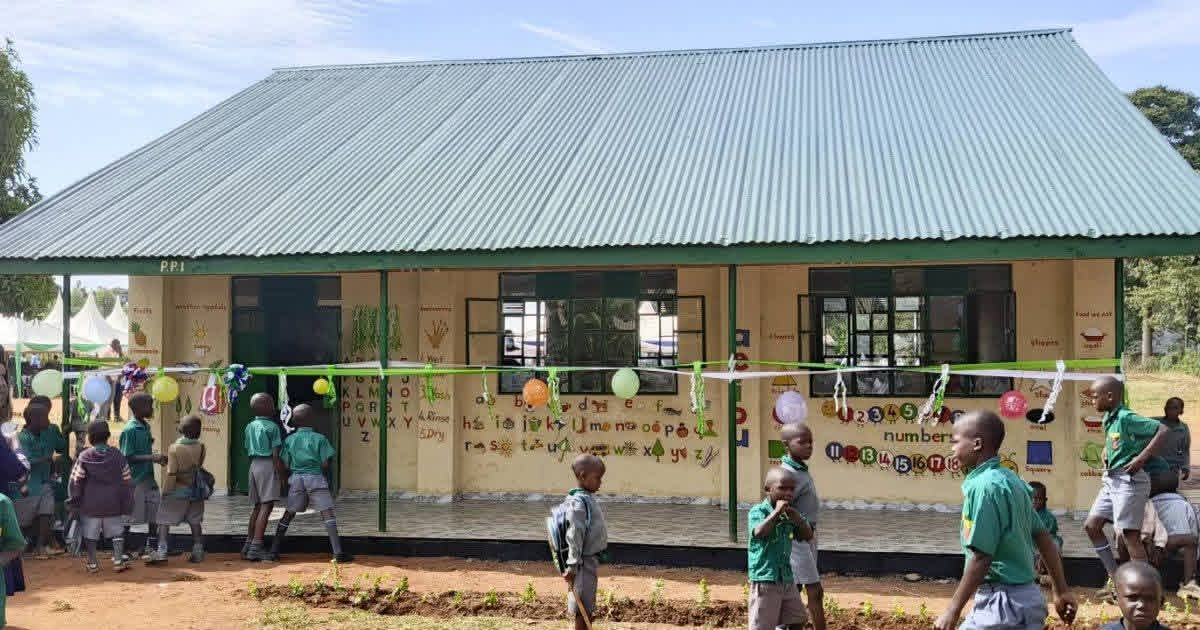
In Busia County, Director of Education James Ekaliyo noted that the government had already constructed 418 new classrooms and ensured timely textbook delivery during the Grade 9 rollout.
“We’ve also trained principals in private schools to ensure uniform understanding and implementation of the guidelines,” Ekaliyo added.
Education Cabinet Secretary Julius Ogamba, while addressing Parliament last week, emphasized that the reforms would touch more than just principals.
“We are targeting 212,000 teachers for training before next year to ensure the system is fully prepared,” he said, adding that placement will consider students’ choices, merit, school capacity, and results from psychometric tests.
“This process will continue throughout the year. We are preparing not just our schools but the leaders in the institutions. By next year, schools will be ready to welcome the transition seamlessly,” he stated.