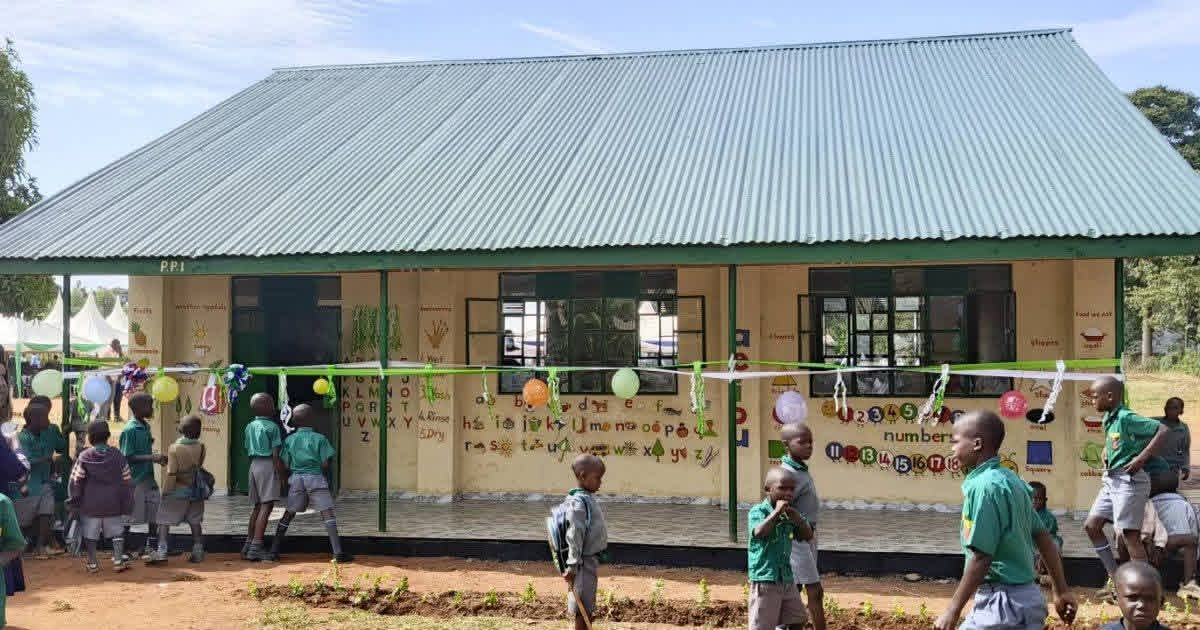
Report Proposes Revised Senior School Funding Model: Implementation Date.
A new report anticipates significant alterations to funding in senior secondary schools in Kenya to align financing with the specific needs of the Competency-Based Curriculum (CBC).
The document titled, “Final County Dialogue Report 2025,” suggests an entirely different funding model that is set to be implemented in January 2026, coinciding with the first cohort under CBC moving to Senior Secondary School.
Model funding will function based on pathways chosen by students, where technical and science subjects are likely to secure a larger grant due to their resource-intensive characteristics.

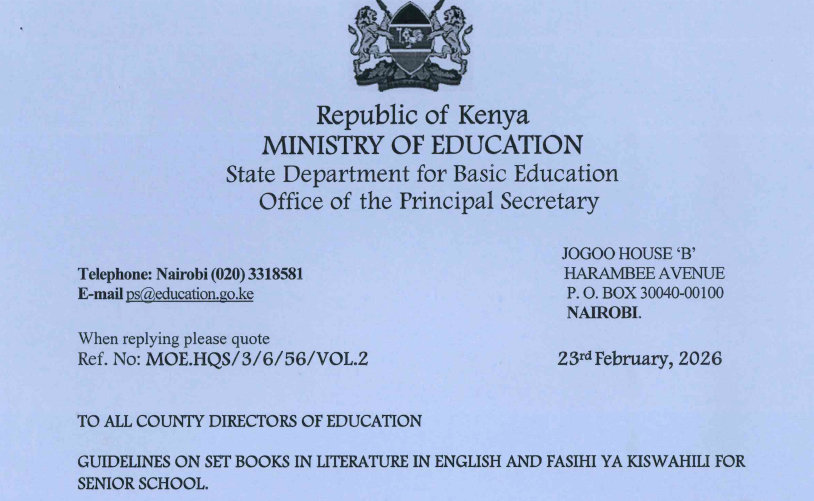
Additional reforms within the new funding model will influence students’ utilization of structured career guidance starting from Grade 7, provided by the Ministry of Education, to assist students in making subject selections based on their interests and anticipated future career paths.
Moreover, pathway adjustments will be permitted up to two months post-admission in Senior Secondary School, thereby offering flexibility for the learner.
The report suggests limiting the transfer of students from the same Junior School into boarding Senior Schools to five to promote diversity, unless certain areas have fewer options available in counties.
Private schools will also gain advantages, as the government plans to incorporate them into the national school selection portal.
It remains unclear if students choosing private schools would receive government capitation in the same manner as those in public schools.
Furthermore, the report recommends that KSL be included in teacher training programs to tackle the deficiency of educators in critical fields like Special Needs Education and vocational subjects.
The government should support private schools in acquiring textbooks through a subsidization initiative, and a national audit of school infrastructures should be conducted to ensure they are prepared for the new pathways.
Improving digital infrastructure in rural and underserved areas will also be prioritized, with proposals for establishing solar-powered laboratories and mobile ICT units.
Finally, the report emphasizes the need for a re-entry framework under CBC for learners who have previously dropped out of school, allowing them another opportunity to complete their education.
If approved, these recommendations could potentially transform Kenya’s educational landscape by making it more inclusive, adaptable, and ideally aligned with contemporary needs.