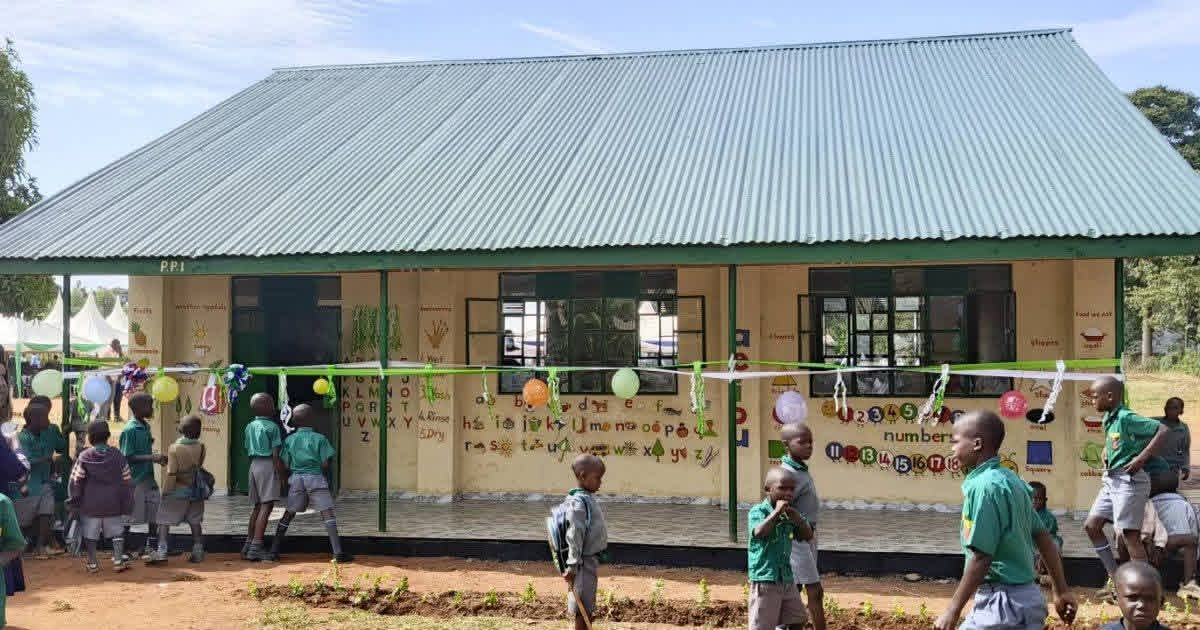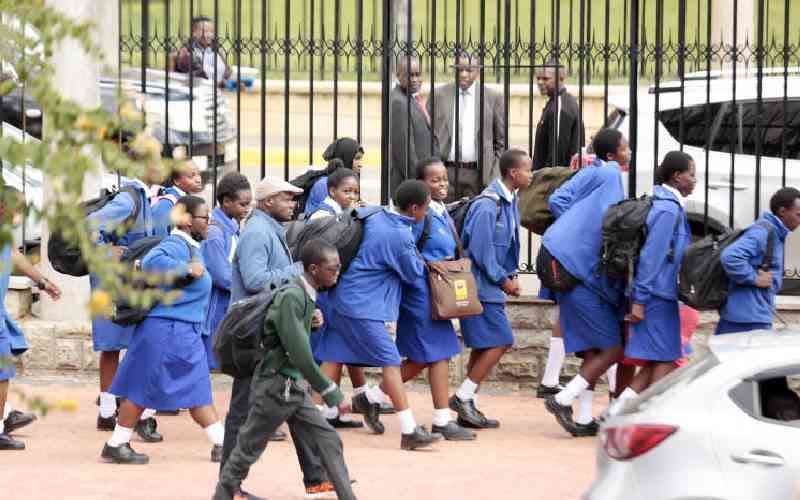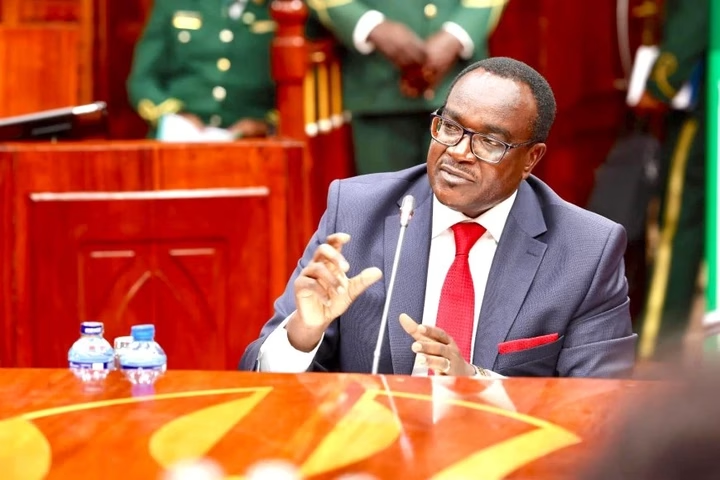
Schools are facing financial difficulties as they enter the third week of the second term, having not received capitation funds from the government to cover operational costs. This situation persists despite Education Cabinet Secretary Julius Ogamba’s assurance last week that the funds would be disbursed by the end of the second week.
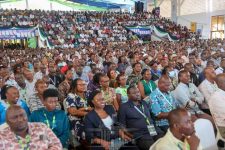
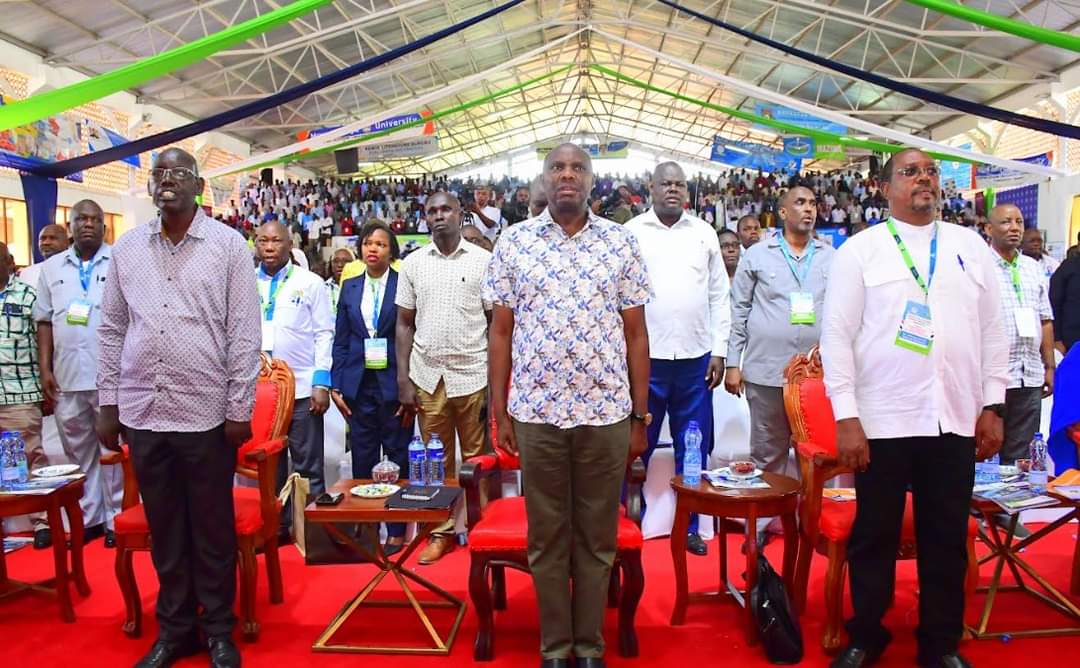
Ogamba had announced that schools would receive Sh21 billion in capitation funds during the inaugural Education Conference 2026 at Lake Naivasha Resort. However, public primary and secondary schools are now confronted with significant operational challenges, despite Ogamba’s promise that the funds would be available by last Friday.
School administrators are warning that the delay is jeopardizing their operations, which heavily rely on government funding. Issues such as unpaid salaries for non-teaching staff, disrupted extracurricular activities, and potential crises in exam preparations are emerging. Some school leaders, who wished to remain anonymous, expressed concerns that the delay could hinder the administration of practical assessments for Grade 9 students, which are currently underway.

“We have started practicals for technical subjects like Agriculture, but some institutions are struggling due to a lack of necessary materials,” one anonymous school head told the Standard.
The delay is particularly critical during this busy academic term, as the first cohort of Junior Secondary School students prepares for the Kenya Junior School Education Assessment (KJSEA) practicals. School heads are planning to escalate the issue to the Ministry of Education on Monday, hoping for a quick resolution to avoid further disruptions to the academic calendar.
Fuad Ali, Chairman of the Kenya Primary School Heads Association (KEPSHA), stated that the delay in funds is affecting the entire school system, including both primary and junior secondary schools, as they share facilities and administration. He noted that the delay has already impacted the payment of non-teaching staff salaries, leaving many struggling to meet their daily needs.
In addition to salary issues, schools are unable to pay utility bills, particularly for electricity, leading to frequent power outages. This situation complicates essential operations, as power is needed for water supply, internet services, and other activities.
Extracurricular programs such as music and sports are also suffering as the term reaches its busiest period. Furthermore, teacher training programs for junior school instructors are being compromised due to a lack of transportation and logistical support.
Fuad expressed disappointment that the Ministry had previously cited delays in data submission to the National Education Management Information System (NEMIS) as the cause, but clarified that the data has now been submitted, making the delay unjustifiable.
At the secondary school level, the situation is similarly dire. Willy Kuria, Chairman of the Kenya Secondary School Heads Association (KESSHA), confirmed that no funds have been received for the current term, and previous disbursements have been incomplete. He emphasized that the lack of capitation is directly affecting preparations for upcoming exams, as schools cannot purchase necessary materials like textbooks and duplicating paper.
The shortfall is particularly challenging for day secondary schools, which rely solely on capitation and do not charge additional fees like boarding schools. This has led to some day schools missing out on extracurricular activities, which also impacts boarding schools that rely on competition with them.
Silas Obuhatsa, Chairman of the National Parents Association (NPA), expressed concerns that schools might send students home to collect outstanding fees. He urged the government to release the capitation funds this week to alleviate the operational pressures on schools.