Sossion supports Ruto’s addition of 7 new PSs despite wage bill worries
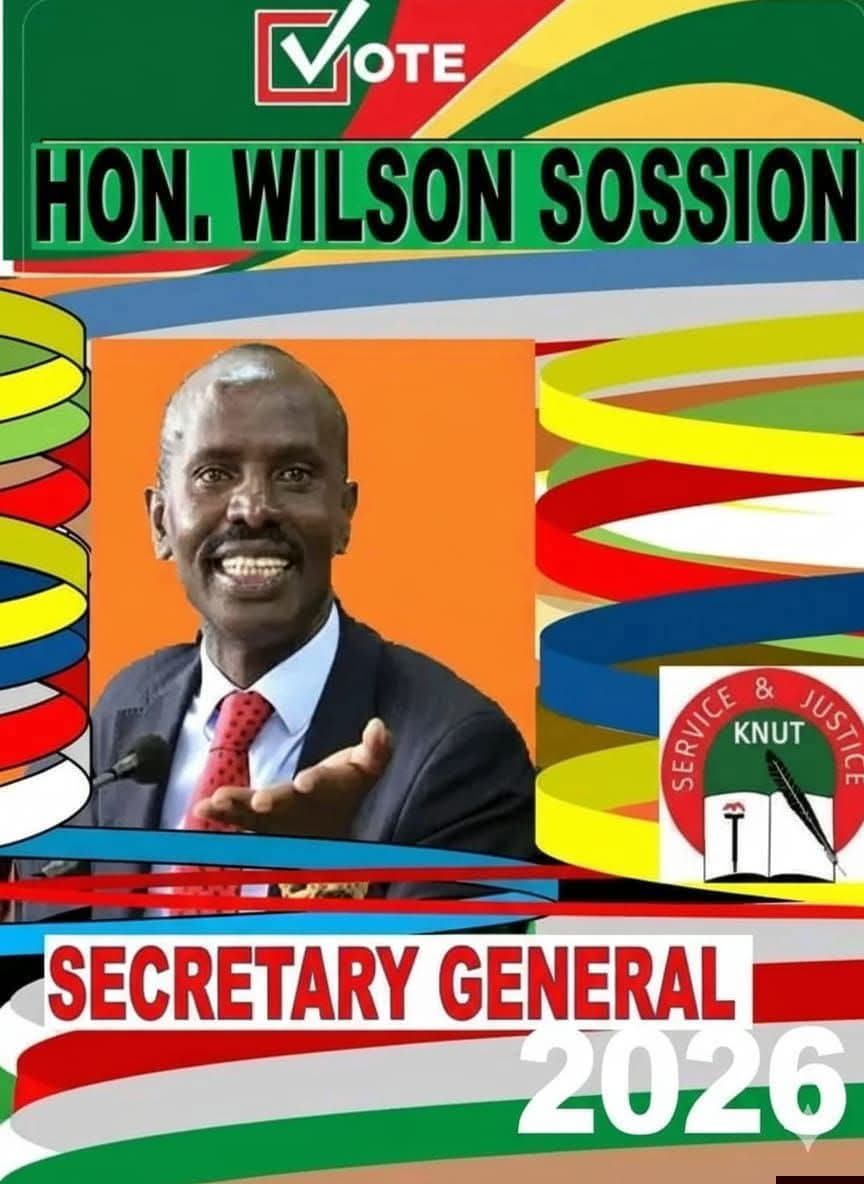
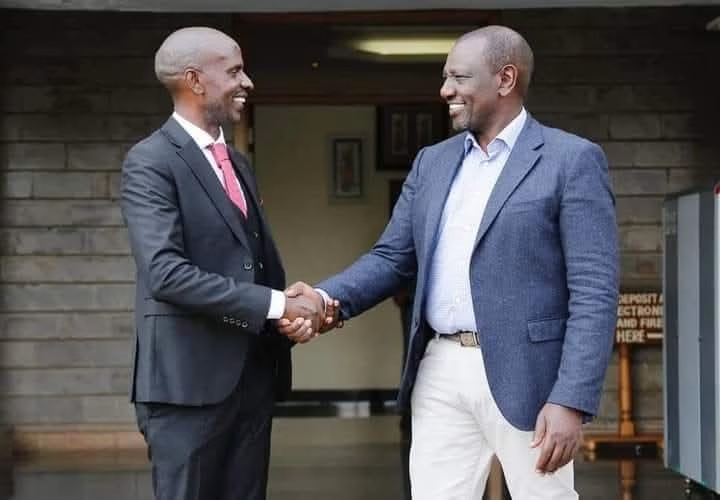
Former MP Wilson Sossion has endorsed President William Ruto’s decision to establish seven new Principal Secretary (PS) roles, which has raised concerns about the expanding size of the Kenya Kwanza government and the financial burden it places on taxpayers.
On Thursday, Ruto announced the creation of seven new state departments, increasing the total number of PSs to 51, with an estimated annual cost of around Ksh.765 million to taxpayers for their salaries.
Sossion defended Ruto’s decision on Tuesday, stating that the new officials will “focus on more programs within the state departments,” thereby improving service delivery.

“If you have more people handling different tasks more efficiently, it’s advantageous. The more you divide and assign responsibilities to various experts, the better,” the former ODM nominated MP and trade unionist said during an interview.
He contended that it is currently “impossible” for the 21 cabinet secretaries to manage multiple ministerial functions with only two or three PSs each.
“It becomes challenging because our ministries are large and complex, with numerous programs underway. The addition of more PSs is a significant relief,” he remarked.
The newly established state departments include the State Department for Public Investments and Assets Management led by PS nominee Cyrell Odede, National Government Coordination (Ahmed Ibrahim), Justice, Human Rights, and Constitutional Affairs (Judith Pareno), Science, Research, and Innovation (Abdulrazak Shaukut), and Aviation and Aerospace Development (Teresiah Mbaika).
Additionally, there are the State Department for Special Programmes (Ismael Madey) and Children Welfare Services (Carren Ageng’o).
Ruto’s administration has faced challenges in stabilizing its finances over the past two years following extensive domestic and external borrowing, leading to high debt-servicing costs.
Essential public services such as healthcare and education continue to suffer from underfunding, especially after Ruto’s attempt to raise taxes last year through a controversial finance bill sparked violent protests, resulting in its withdrawal.
At that time, Ruto pledged that his government would minimize spending to address the financial gap created by the bill’s withdrawal, a commitment he has faced criticism for seemingly neglecting in recent months.