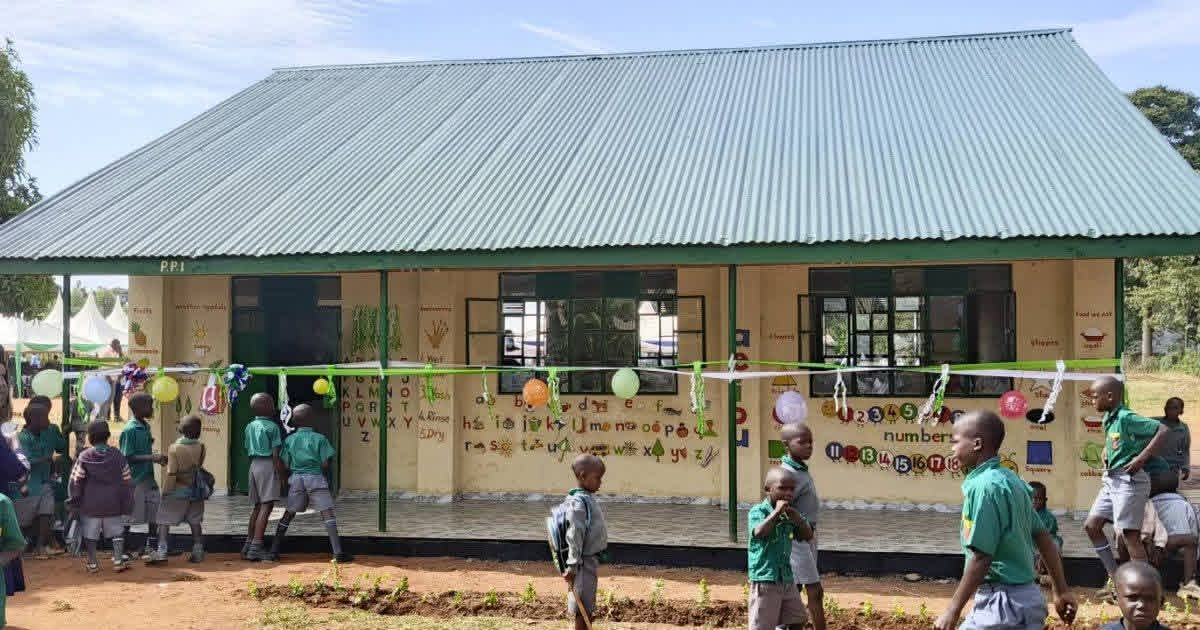
In an era defined by rapid technological advancement, one of the most transformative shifts is occurring far from urban centers — in the quiet, often underserved landscapes of rural communities. For decades, rural education has grappled with challenges such as limited access to quality teaching, inadequate infrastructure, and a scarcity of learning materials. Today, technology is emerging as a powerful equalizer, bridging educational divides and opening doors to new possibilities.
The Digital Divide in Rural Education
Rural areas around the world face significant educational disadvantages:
- Limited access to qualified teachers
- Inadequate school infrastructure
- Scarce learning resources
- Geographical isolation
This digital divide is not merely about access to devices and internet; it reflects a broader inequity in opportunities, exposure, and quality of education. With improved internet access, rural learners can now track their Unisa application status through mobile devices or community computer centers.
Key Contributions of Technology to Rural Education
1. Access to Quality Content
Through online learning platforms, rural students now have access to the same textbooks, lectures, and interactive materials available to their urban counterparts. Educational apps, YouTube channels, and Massive Open Online Courses (MOOCs) offer self-paced learning in local languages, tailored to different age groups and curricula.



Example: In India, the government’s DIKSHA platform provides e-learning content aligned with state curricula in multiple regional languages, benefiting millions of students in remote villages.
2. Interactive and Personalized Learning
EdTech tools use artificial intelligence and adaptive algorithms to tailor lessons to individual student needs, allowing them to learn at their own pace. For children with limited support at home, this can make a profound difference in engagement and retention.
Gamified learning apps and virtual reality (VR) simulations also make subjects like science and math more engaging, helping rural learners develop critical thinking and problem-solving skills.
3. Teacher Support and Training
Technology is not just student-focused; it also supports teachers. Through online training modules, webinars, and digital communities, rural educators can improve their teaching skills, stay updated on pedagogical trends, and connect with peers across regions.
Case Study: The “Teach from Anywhere” initiative by Google provided rural teachers with tools and training to shift to hybrid learning during the COVID-19 pandemic.
4. Virtual Classrooms and Distance Learning
With video conferencing tools like Zoom, Microsoft Teams, and platforms like Google Classroom, remote teaching is now viable even in the most isolated areas. Schools with few teachers can offer subjects they previously couldn’t, such as coding, foreign languages, or advanced sciences.
In areas affected by natural disasters or seasonal migration, students can continue their education uninterrupted through mobile learning solutions and digital classrooms.
5. Community and Parental Engagement
Mobile apps and SMS-based platforms keep parents informed about their child’s attendance, performance, and homework, even if they are not literate or tech-savvy. This enhances accountability and fosters a collaborative learning environment.
In rural societies where education may not always be prioritized, such engagement helps reinforce its value and encourages continued enrollment, especially for girls.
Challenges in Implementing Technology in Rural Education
Despite the immense potential, several barriers remain:
- Limited internet connectivity and power supply
- High cost of devices and data
- Low digital literacy among teachers and students
- Cultural resistance to technology-based learning
Infrastructure development must go hand in hand with awareness and training. Moreover, technology should complement, not replace, traditional teaching — ensuring that local context, culture, and values are respected. Useful link checkpsiraverification.co.za
The Road Ahead: Policy and Innovation
Governments and NGOs have a critical role to play in scaling digital education in rural regions. Key focus areas include:
- Investing in rural internet and mobile network infrastructure
- Providing affordable or free devices to students and teachers
- Developing local-language educational content
- Building public-private partnerships with EdTech companies
- Promoting gender-inclusive digital literacy programs
Innovations like solar-powered tablets, offline learning kits, and AI-based tutoring systems are already showing promise in low-resource settings.