TSC Medical Scheme Crisis Persists as SHA Declines to Onboard Teachers
The situation regarding more than 360,000 teachers and their dependents enrolled in the Teachers Service Commission (TSC) medical scheme remains uncertain, as the Social Health Authority (SHA) has declined to accept them, citing limitations in capacity and excessively high costs.
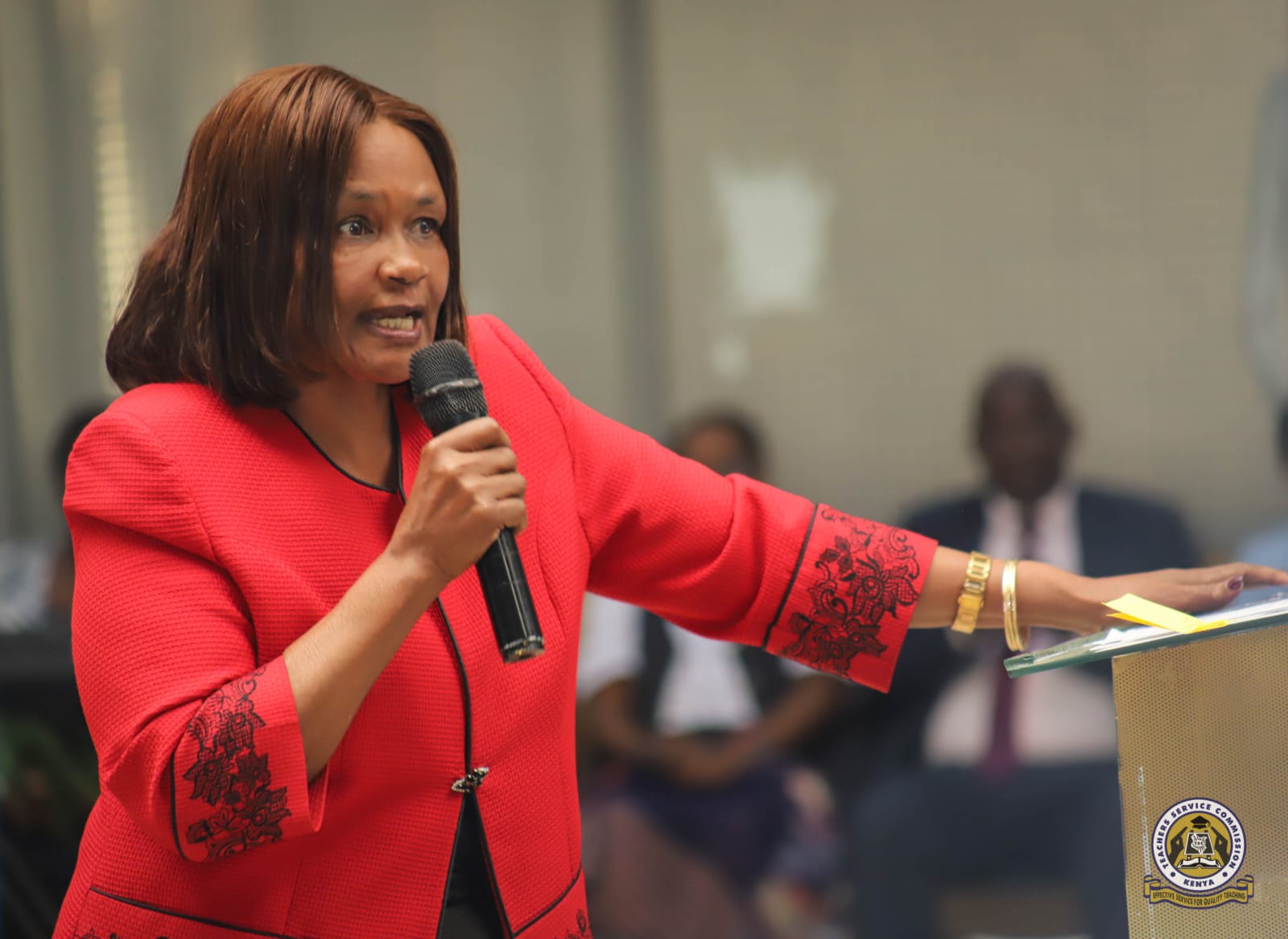
During her appearance before the National Assembly’s Education Committee, TSC CEO Nancy Macharia disclosed that although the government allocated Sh20 billion to the scheme, SHA required Sh37 billion to onboard the teachers—a deficit that also prevented the now-defunct National Health Insurance Fund (NHIF) from accommodating them.
“This budget shortfall has been a persistent impediment,” Macharia stated. “Even last year, when we considered transitioning to SHA, they informed us that they lacked the required infrastructure and estimated needing Sh37 billion. Currently, we operate the scheme with Sh20 billion. ”

Consequently, TSC renewed its three-year contract with Minet Insurance in December 2022, which extends until November 2025.
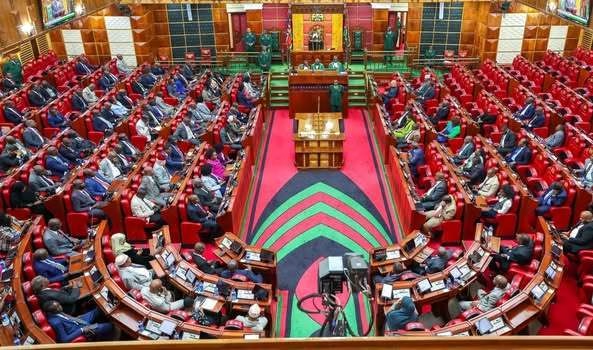
The Minet-administered scheme has received significant criticism from legislators who have characterized it as a “mongrel system” plagued by inefficiencies, delays, and an absence of compassion.
Igembe North MP Julius Taitum raised questions regarding the absence of competition in the tendering process, suggesting a potential monopoly. “Is it that other insurers refrain from applying because they are aware it is being managed ineffectively, to the detriment of teachers? ” he inquired.
Teso South MP Mary Emase recounted a poignant account of teachers who have been left waiting for hours or denied care due to prolonged approval delays. “Some are told they’re pretending to be ill. Teachers at Bungoma Life Care have waited indefinitely for approval,” she remarked.
Committee Chair Julius Melly described the scheme as dysfunctional, highlighting incidents such as a teacher being held in a Nairobi hospital for 90 days due to delayed payments. “This scheme lacks coherence and must undergo a comprehensive overhaul,” he asserted.
Macharia attributed many of the challenges to delayed government disbursements, noting that providers occasionally withdraw services when payments are late.
“If our teachers are to receive optimal medical care, they would require comprehensive insurance coverage. That is not the situation presently due to budget limitations,” she stated.
Legislators called for a complete restructuring of the scheme. Melly suggested organizing teachers into clusters managed by different insurers to decentralize services and enhance efficiency.
“With Bliss Healthcare as the master capitator, the approval processes are overwhelmed,” remarked Luanda MP Dick Maungu. “Why not divide it into clusters for improved management? ”
Baringo North MP John Makilap cautioned that if significant changes are not implemented before the contract expires in 2025, teachers will continue to endure hardships. “This amorphous structure is ineffective. We must categorize them into cohorts or transition to SHA,” he expressed.
Taitum demanded a comprehensive investigation into the consortium overseeing the scheme. “Teachers will not receive justice from this arrangement. We require a full-day inquiry of the service provider. ”
In defense of the current model, TSC Director of Legal Services Cavin Anyour stated that the consortium comprises leading insurers. “Minet leads a coalition of eight premier providers. Those excluded lacked the capability to deliver,” he noted.