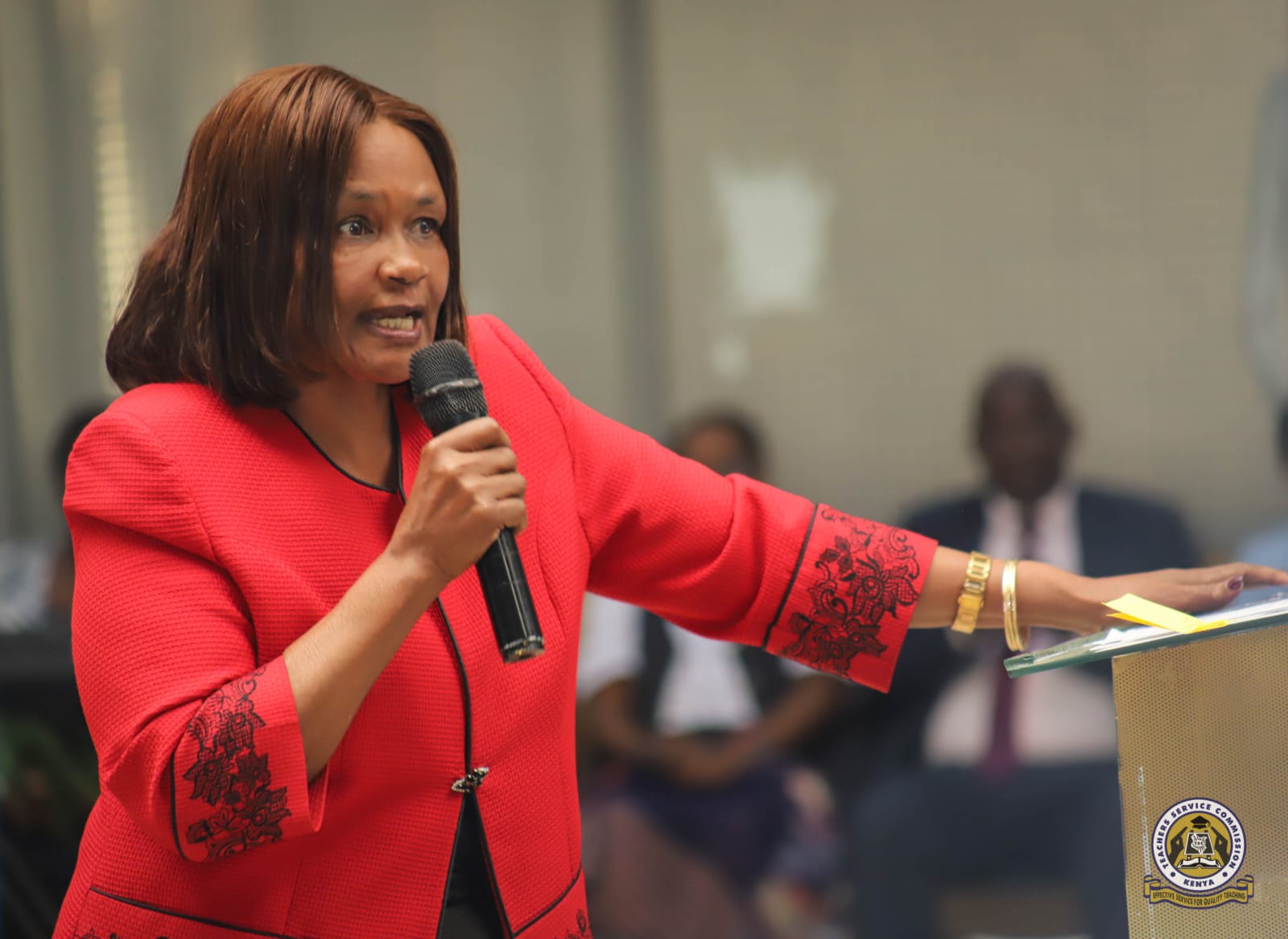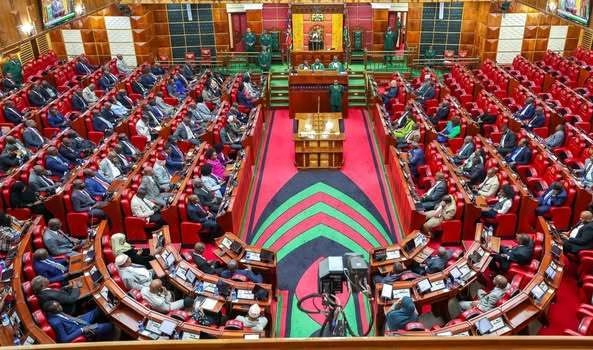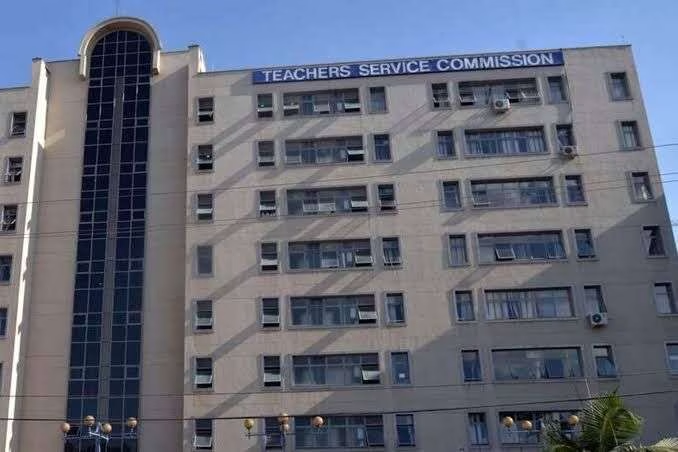
The Teachers’ Service Commission (TSC) has voiced its disapproval of a recent initiative by Members of Parliament (MPs) to enhance teachers’ allowances. On Thursday, May 29, during a session led by Tinderet MP Julius Melly, the education committee discussed potential amendments to the TSC Act aimed at clarifying and structuring allowances for educators and the appointment of teachers in acting roles. The MPs argued that it was unjust for the TSC to assign teachers to acting positions without providing them with appropriate compensation.
The discussions brought together various stakeholders, including TSC representatives, the Kenya Union of Post Primary Education Teachers (KUPPET), officials from the Attorney General’s office, and members from the National Treasury. A significant proposal from Mandera South MP Abdul Haro sought to modify Section 11 of the TSC Act to mandate the commission, in consultation with the Salaries and Remuneration Commission (SRC), to ensure the payment of allowances to teachers as outlined in the Fourth Schedule.
The MPs highlighted that this amendment would formalize several allowances for teachers, such as housing, commuting, hardship allowances for those in challenging areas, and special duty allowances for educators in administrative roles or deployed to arid regions, which are currently addressed in the TSC’s regulations.
However, the TSC opposed these changes, contending that such allowances are already encompassed within the TSC Code of Regulations for Teachers. TSC Deputy Director of Legal Services Allan Sitima stated, “These allowances are already provided for under the Code of Regulations for Teachers. Including them in the act would create legal duplicity.” He also pointed out that responsibility allowances had been eliminated based on SRC advice, and reintroducing them would violate the SRC’s constitutional mandate.


KUPPET expressed support for the bill but suggested further enhancements to protect teachers’ rights through collective bargaining. MP Omboko Milemba, who chairs KUPPET, proposed an amendment that would require the TSC, in consultation with the SRC and after negotiations with teachers’ unions, to facilitate the payment of allowances.
The union also advocated for provisions to ensure risk allowances for teachers working in unsafe conditions and increased pay for those holding postgraduate degrees. The Education Committee also reviewed a new Section 32A regarding Acting Appointments, which would allow the TSC to appoint teachers in acting roles for a minimum of 30 days and a maximum of six months, contingent upon meeting specified qualifications.
Concerns were raised by Kitutu Masaba MP Clive Gesairo regarding the number of teachers serving in acting positions without compensation for extended periods. Narok woman representative Rebecca Tonkei emphasized the need to protect these teachers, stating, “It’s unfair. We must safeguard them.”
KUPPET argued that the proposed amendment would shield teachers from arbitrary decisions and guarantee fair compensation. Milemba noted, “We have teachers who have acted in senior positions for many years without allowances. This bill will provide legal protection and clarity.”
Jacqueline Mamina, a legal representative from the Public Service Commission, cautioned that allowances should be governed by regulations that can be easily amended rather than being enshrined in law. “If you place them in the law, we would have to go through the regular process every time we want to add or remove allowances,” she remarked.
Representatives from the Attorney General’s office advised that the bill should align with existing TSC legislation and regulations to prevent overlapping provisions. Melly requested a comprehensive financial analysis from the National Treasury to assess the budgetary impact of the proposed allowances. “While we recognize TSC’s operational authority, the committee is also committed to ensuring accountability and fairness within the teaching profession,” Melly concluded.