TSC, SHA clash over teachers’ health cover amid limited access to services
The blame game between the teachers’ employer and the Social Health Authority (SHA) continued with each side holding to its guns.
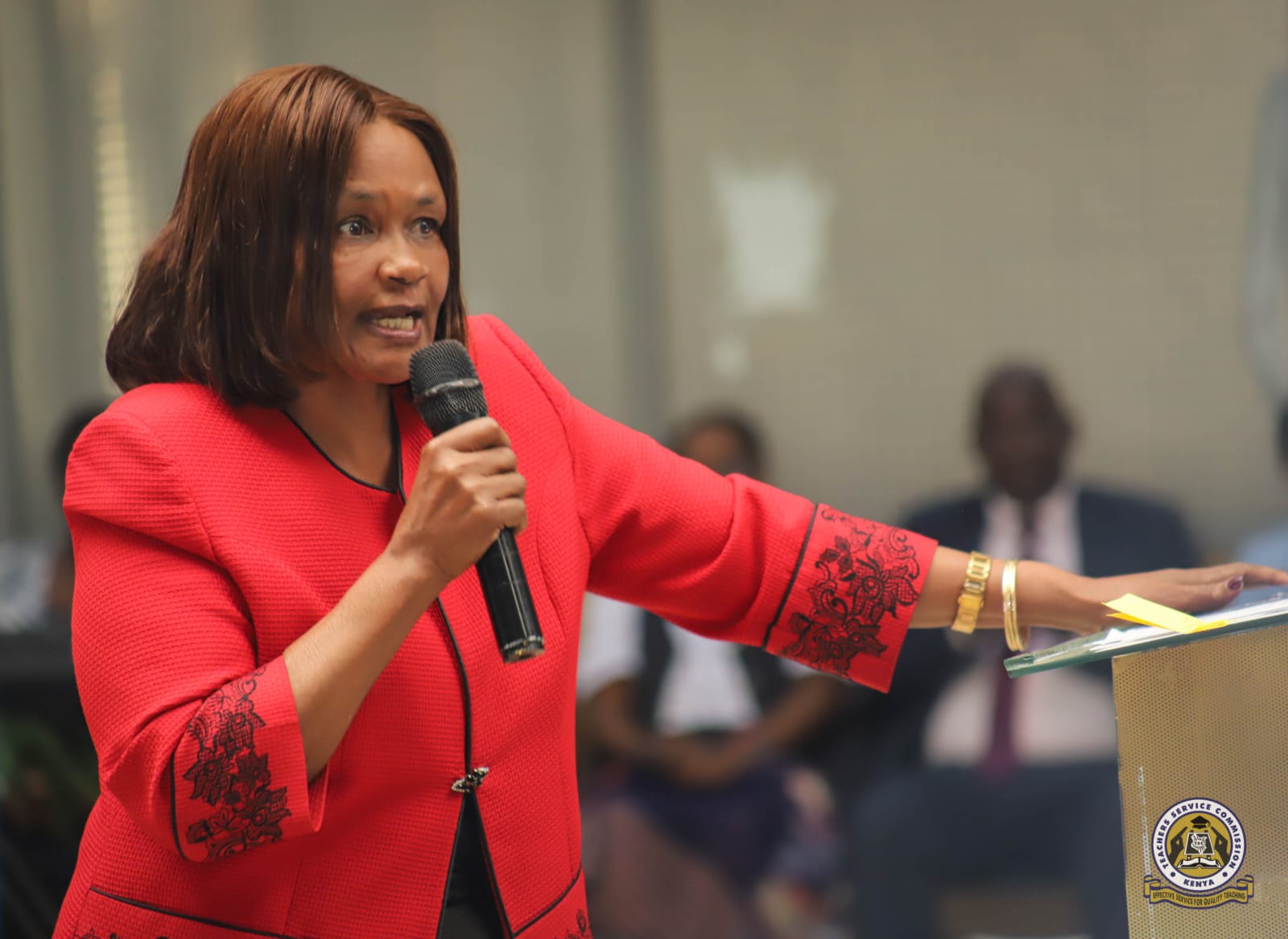
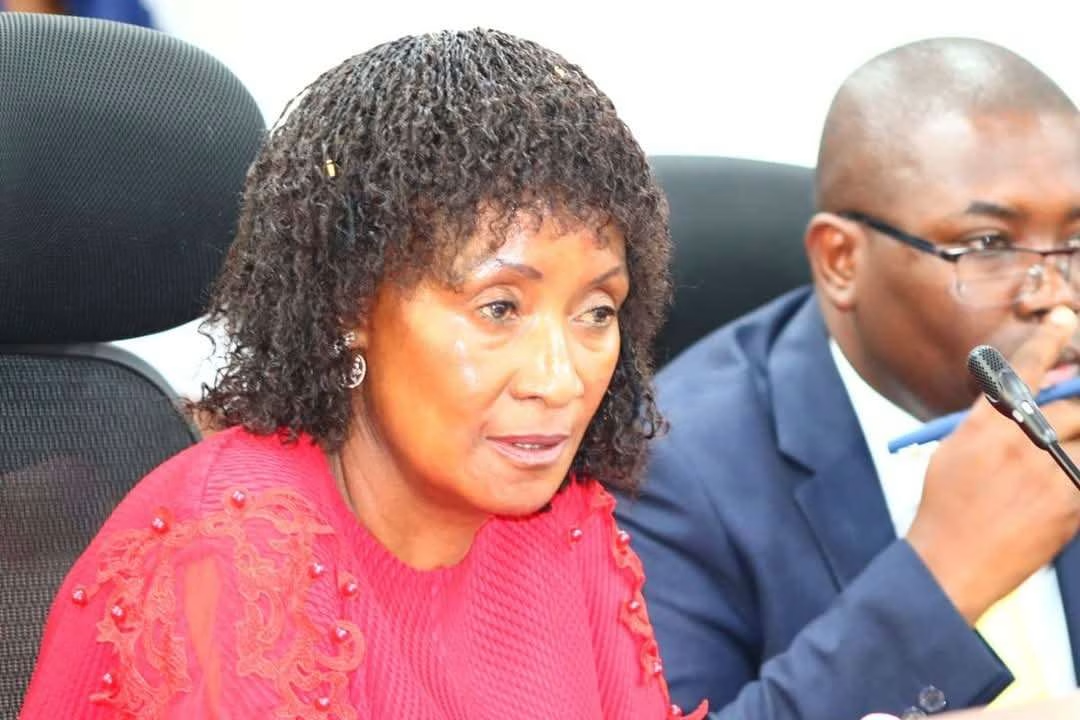
Days after the Teachers Service Commission (TSC) Boss Dr. Nancy Macharia sensationally reported that SHA had refused to onboard Teachers into the medical cover, latter has now confirmed that all teachers in the country are eligible for coverage under SHA, just like other Kenyan workers, contributing 2.75 per cent of their salaries or income.
SHA clarified that teachers are entitled to the social health benefits package under three key funds: the Primary Healthcare Fund, the Social Health Insurance Fund (SHIF), and the Emergency, Critical and Chronic Illness Fund.

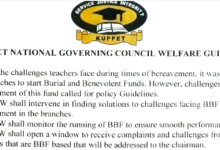
“All teachers and their dependants are eligible for SHA benefits under these three funds,” the Authority stated in a recent announcement.
Teachers do not receive any special treatment compared to other civil servants or informal sector workers, except for their choice of service providers. Teachers, through the Teachers Service Commission (TSC), have contracted a consortium of insurers via insurance broker Minet to provide superior coverage.
However, like other employees, teachers contribute 2.75 per cent of their salaries towards SHA.
“In line with public service norms, TSC deducts SHIF contributions and remits them. Instead of paying teachers a medical allowance, they procure private medical cover through Minet,” explained a SHA official.
This private cover is expected to offer teachers superior benefits beyond those available under the SHA scheme.
TSC awarded the insurance contract to Minet, which in turn contracted Medical Administrator Kenya Limited (MAKL) to manage the scheme. Teachers forfeit their medical allowance, which is added to their monthly deductions to purchase a superior cover, financed through their medical allowance and statutory deductions under the public officers’ medical scheme.
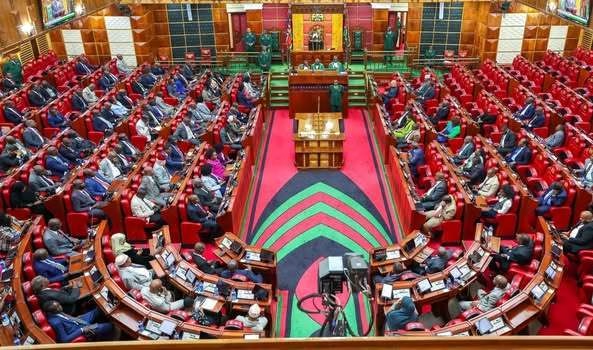
SHA’s clarification follows claims by TSC Chief Executive Nancy Macharia, who recently stated that SHA had been reluctant to include teachers in its scheme. She told the National Assembly’s Education Committee that efforts to onboard teachers onto SHA had failed due to insufficient structures and a demand for Sh37 billion, which she considered too high given the Sh20 billion allocated to the health scheme.
Macharia explained that efforts to onboard teachers into SHA failed after being informed that the insurer lacked sufficient structures across the country to cater to the teachers.
“Last year, when we had issues, we wanted to move our teachers to SHA. We have always wanted to have our teachers under the national insurer, even during the NHIF days,” she said.
“We held a meeting with SHA before renewing our contract with Minet for this final year, and they told us they didn’t have enough structures. They said they would need Ksh.37 billion to enrol our teachers, but even then, they were not ready to take them on this year,” she told the committee.
Committee Chairperson Julius Melly narrated a troubling case of a teacher who was placed in solitary confinement for three months for failing to clear a hospital bill — despite being insured.
“What kind of insurance cover is this? It’s a mongrel; it has no head or tail. You have an insurer, a lead consortium, an administrator, a capitator — it’s a very funny type of insurance. You must get out of this thing,” said Melly.
Macharia, however, cited inadequate funding as a major barrier to providing comprehensive medical insurance, and urged the committee to allocate more resources.
“If our teachers were to get the best medical services, they need to be fully insured. But we are unable to do that because of budgetary constraints. We also need timely disbursements to the consortium, because most times we delay,” she told the Legislators.
TSC still wants to work with Minet
Despite these setbacks, TSC continues to work with Minet, contracted in 2015, though concerns persist over delays in payments and high pre-authorisation requirements in hospitals.
TSC Director of Legal Services Cavin Anyour defended the current arrangement, saying the Minet-led consortium was composed of top-tier insurers.
“Minet leads a group of eight top providers. Those who were left out lacked the capacity to deliver,” Anyour told the committee.
Teachers seeking services under the private scheme are sometimes turned away.
Dr Brian Lishenga, chairperson of the Rural-Urban and Private Hospitals Association (RUPHA), confirmed that RUPHA hospitals have suspended services for MAKL holders, including teachers, and are only offering services to SHA members.
SHA has stated that while TSC can provide complementary insurance for additional benefits, it does not manage the TSC’s private medical cover.