TSC to get Ksh17 billion for teachers’ July salary increments
It is good news for teachers after the government allocated money for their salaries and allowances increments. The Treasury has allocated the Teachers Service Commission (TSC) Ksh17 billion for teachers’ salaries and allowances increments in July 2025.
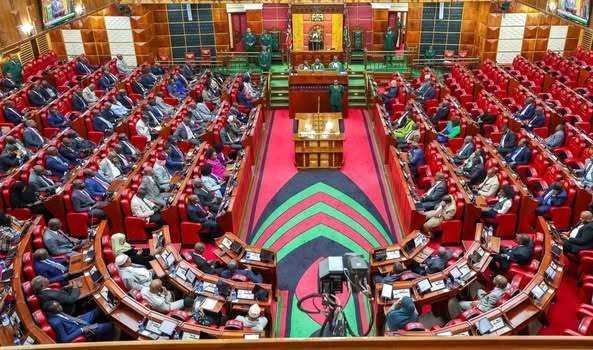
According to the budget estimates tabled in Parliament by the National Treasury KSh10 billion will go towards salary adjustments.
The basic salaries for teachers are also set to go up by Sh6.9 billion. TSC is still in negotiations with teachers unions for a pay deal.

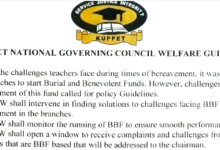
Some Sh4.7 billion has been allocated to cater for teachers’ contributions to compulsory health insurance scheme, MAKL (Minet).
The amounts are also to settle teachers medical insurance woes, which saw hospitals turn many of them away.
The Kenya National Union of Teachers (Knut) tabled a number of proposals when it met the Commission officials in Naivasha in January this year.
Knut wants TSC to scrap job group B5 and replace it with job group C1 as the entry grade for primary school teachers inline with its policy framework.
Knut also want TSC to promote automatically all teachers in job group C1 to job group C2 in July CBA 2025 – 2029.
Also on the table is a plan to promote all primary school headteachers hosting junior secondary from job group C5 to D1.
The more than 10,000 headteachers want their title changed to that of principal in line with the comprehensive schools they head.
According to Kenya Primary School Headteachers Association (KEPSHA) the headteachers want an enhanced pay to commensurate their responsibility of managing Junior Secondary School domiciled in their institutions.
In the budget estimates teachers, prison staffers, university lecturers and staff are the biggest winners in the additional Sh88 billion budget the National Treasury wants MPs to approve.
Of the amount, Sh68 billion will go to ministerial expenditure of which Sh24.7 billion is for recurrent and Sh43 billion for development.
The 2024-25 second supplementary estimate budget books sent to the National Assembly for approval show that Teachers Service Commission has the biggest portion of the additional provisions.
The commission has been allocated Sh17 billion more paving the way for a pay rise for teachers.
Recently, teachers lamented being turned away by hospitals over insurance debts amid reports that their employers had not remitted capitation funds.
The police, who were also affected by the insurance mishaps, have been allocated an additional Sh5 billion.
A further Sh2.1 billion has been added to the police budget for international peace keeping missions, ostensibly for the Haiti mission.
University lecturers are set to get their 2021-24 collective bargaining agreement settled with part of the additional Sh6.5 billion allocated to Higher Education department.
The varsity lecturers and non-teaching staff need Sh4.3 billion for their CBA. Treasury has also provided additional amounts for police and prison officers.
Here are some key highlights of the KNUT Collective Bargaining Agreement (CBA) for 2025–2029:
KNUT is pushing for the Teachers Service Commission (TSC) to scrap Job Group B5 and replace it with Job Group C1 as the entry grade for primary school teachers. This proposal aligns with KNUT’s policy framework to elevate the professional status of primary school educators.
KNUT is also advocating for the automatic promotion of all teachers in Job Group C1 to Job Group C2 under the July 2025–2029 CBA. This move aims to enhance career progression and motivation for teachers.
Another proposal on the table is to promote all primary school headteachers hosting Junior Secondary Schools from Job Group C5 to Job Group D1. This is intended to recognize their expanded responsibilities and roles.
Furthermore, over 10,000 headteachers are requesting their title to be changed to “Principal” to reflect the comprehensive nature of the schools they manage. This change would better acknowledge their leadership roles in the education system.
These proposals are designed to improve teachers’ welfare, career growth, and overall recognition within the education sector.