TSC vs. KNUT Debate on Minimum Teacher Recruitment Standards: Who is Correct?
Kenya’s Vision 2030 aims to transform the nation into “a globally competitive and prosperous country with a high quality of life by 2030.” A key objective is to evolve into a “newly-industrializing, middle-income country that offers a high quality of life for all its citizens in a clean and secure environment.” Education, which is part of the social pillar of Vision 2030, is essential for achieving these goals. Consequently, teachers are a vital resource in this endeavor. A steady supply of well-qualified teachers is crucial for an effective and dynamic education system, which in turn produces citizens equipped with the necessary skills for various socio-economic and political roles, propelling the country toward its development objectives.
Debate on Teacher Qualifications
There is an ongoing discussion between the Kenya National Union of Teachers (KNUT) and the Teachers’ Service Commission (TSC) regarding the criteria for teacher recruitment: should it be based on the highest academic qualifications or the Kenya Certificate of Secondary Education (KCSE) results?




KNUT contends that hiring should focus on the highest academic credentials, irrespective of KCSE scores, even if a candidate has a low grade like a D but holds a master’s degree. They argue this approach would help address the current teacher shortage.
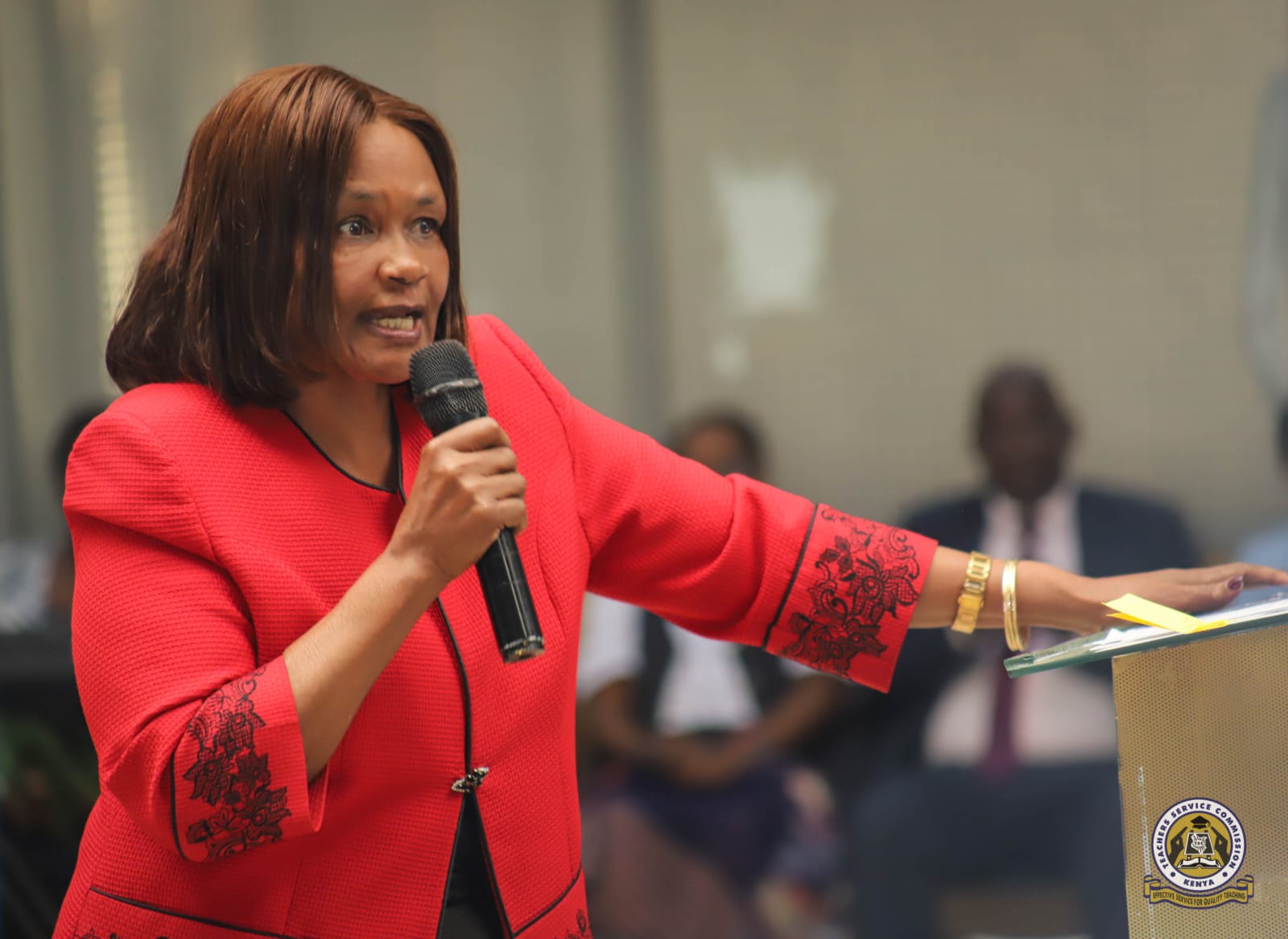
In contrast, the TSC requires candidates to achieve at least a C plain in KCSE to qualify for a Diploma teaching position.
What are the consequences of these differing views? Should quantity take precedence over quality? What should be the minimum standard for hiring teachers without compromising the quality of the education system and, consequently, student outcomes?
The Unique Nature of Teaching in Kenya
In Kenya, teaching is one of the few essential professions that faces scrutiny based on its results (learning outcomes), while similar scrutiny is not applied to the quality of inputs. Reports have surfaced of teachers and principals being removed from schools due to “poor” academic performance.
In contrast, it is rare to hear of doctors or engineers being dismissed from their roles for poor outcomes, such as patient deaths or structural failures. While there are instances of failures in these fields, the training of professionals in medicine and engineering is not intentionally undermined.
We have yet to see the Kenya Medical Practitioners and Dentists Council (KMPC) or the Engineers Board of Kenya advocate for disregarding entry grades at the bachelor’s level in favor of hiring candidates based solely on their highest qualifications.
If Kenya regards education as a critical profession akin to medicine or engineering, shouldn’t there be a minimum standard established starting from high school?
TSC vs. KNUT
In Finland, recognized for its exemplary education system, teachers are required to hold at least a bachelor’s degree. While Kenya has not reached that standard yet, the TSC is working to raise the entry requirements for the teaching profession.
KNUT, as a representative body for teachers, should advocate for systems that ensure a steady influx of qualified teachers into the education system, beginning from Form Four.
The TSC has set the minimum requirement at a C for Diploma teachers. KNUT, in partnership with the Ministry of Education (MoE) and universities, could propose the establishment of teacher pipeline programs that guarantee admission for candidates who meet this threshold.
Promoting Teaching as a Career
Additionally, the MoE can enhance the appeal of teaching at the high school level through internships, mentoring, and scholarship opportunities for high-achieving students interested in pursuing teaching.
This approach will ensure that potential candidates possess the necessary qualifications from the outset. By prioritizing quality over quantity from the foundational level, we can transform perceptions of the teaching profession in Kenya, restoring its dignity and professionalism.
Moreover, there should be an emphasis on providing ongoing, high-quality professional development for teachers once they are hired, including mentorship opportunities, pedagogical training, 21st-century skills, and leadership development to cultivate a new generation of teacher leaders who are experts in the curriculum and capable of mentoring others.
Some of these initiatives are already being implemented by the TSC. It is crucial for KNUT to collaborate with the TSC to establish mechanisms that regularly assess teachers’ readiness to teach in an increasingly complex national, regional, continental, and global context.
While it is possible to hire teachers with master’s degrees, they may lack the ability to effectively deliver their content and pedagogical skills.
To advance our nation, we need sustainable strategies that will help us achieve our long-term vision. Investing in the quality of our education system’s human resources throughout the preparation and development continuum will enhance our competitive position, improve student outcomes, and ultimately fulfill our national development goals.