This is according to the TSC recruitment score sheet, which shows a significant disparity that gives teachers of science subjects an edge over those who teach humanities and languages.
In the score sheet, graduates who teach science subjects are awarded 65 marks, meaning they have 13 times greater probability of securing jobs compared to their counterparts in Geography, History and Religious Studies, who are awarded five marks.
This also means that fresh graduates who specialize in teaching science will be absorbed immediately, while humanities and language teachers, some of whom graduated years ago, remain unemployed under the current weighting system.
As per the score sheet, those ranking second are Mathematics teachers, who are awarded 55 marks, while those teaching technical and creative subjects are awarded 40 marks.

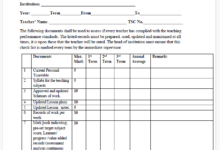

The lowest in the ranking are language teachers, who are awarded 25 marks, and humanities teachers, who receive five marks.
The score sheet also awards marks to applicants based on the year of graduation and the age of the applicant, with the highest marks awarded to those aged 45 years and above.
Those aged 45 and above are awarded 10 marks, while those aged between 40 and 44 receive nine marks. Applicants below 34 years are awarded seven marks.
A section of teachers has written to the TSC to raise concerns about the subject-weight gap, accusing the Commission of ‘‘deepening the hopelessness of thousands of qualified teachers who have been side-lined for nearly a decade’’.
They say that the recruitment score sheet unfairly prioritises science subjects, whereas the majority of Junior Secondary Schools (JSS) still lack sufficient language teachers, especially English/Literature teachers.
“Ironically, despite side-lining language and humanities teachers, JSS schools still lack sufficient language teachers, especially English/Literature teachers,” the teachers noted in the letter dated August 26.
They added that in many schools, science teachers are being forced to teach languages they were never trained for, lowering the quality of education and undermining Competency-Based Education (CBE).
The teachers argued that the disparity disregards equal opportunity and undermines the quality of education.
“By treating subject areas with such disparity, the Commission disregards the principle of equal opportunity. A science graduate of 2024 will always outscore a humanities teacher of 2016. Waiting for years counts for nothing when the subject-weight gap is so wide,” the teachers noted.