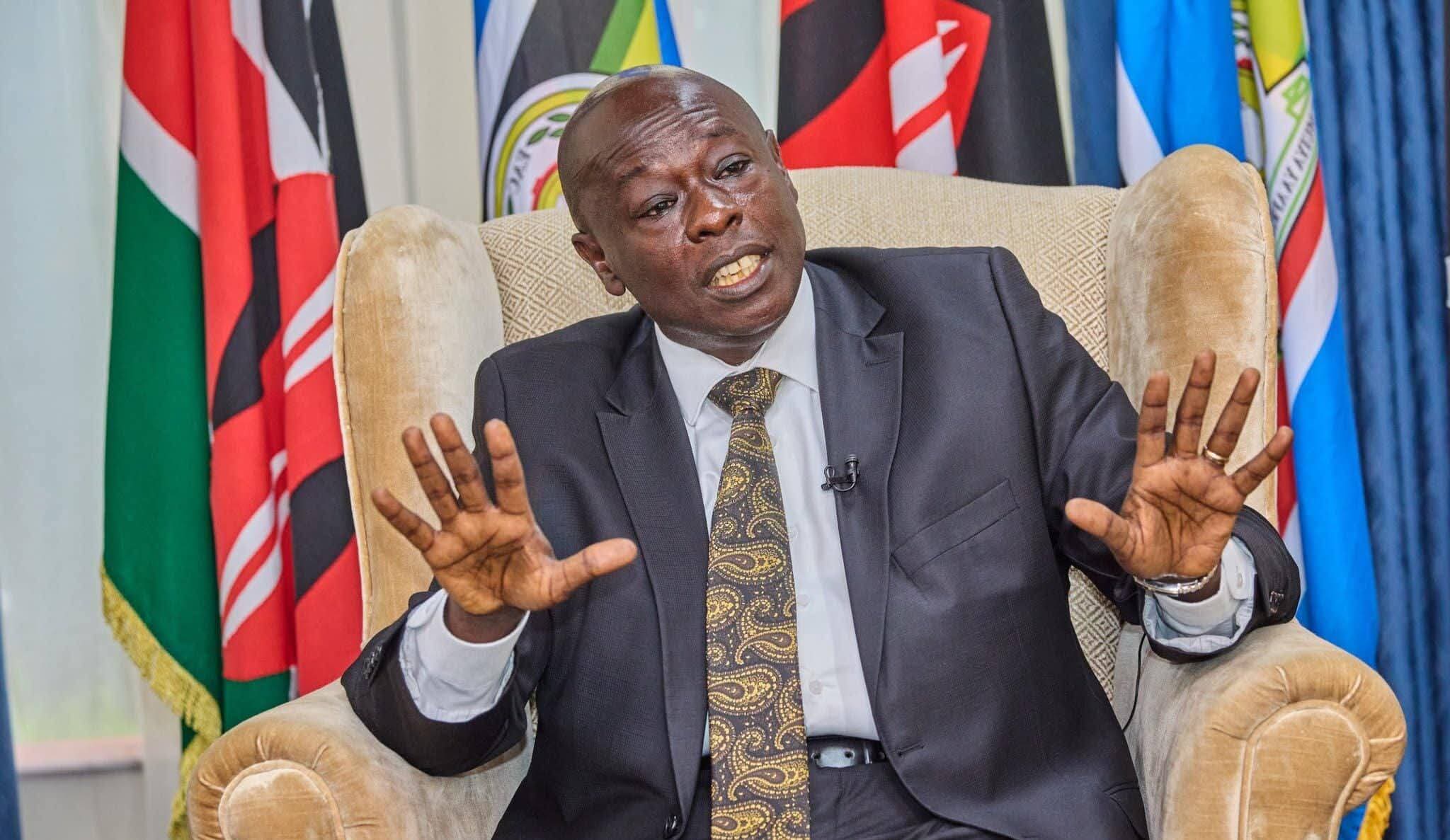
Rigathi Gachagua, alias Riggy G
Rigathi Gachagua was born on 28 February 1965 in Hiriga Village in Mathira Constituency, Nyeri County, in Kenya’s Central Region. He grew up in a household shaped by Kenya’s history and the era of the struggle for independence, where stories of resistance, detention, and community leadership were part of daily life.
His father was Gachagua Reriani, who was actively involved in the Mau Mau freedom movement against British colonial rule during the 1950s and was detained by the colonial government during the State of Emergency. After Kenya gained independence in 1963, his father served as a chief in Nyeri, a role that involved mediating local disputes, coordinating development efforts, and overseeing administrative tasks in his community.
His mother, Martha Kirigo, was also part of the Mau Mau struggle, and she too was detained during the colonial emergency period. After independence, she focused on raising her children and supporting community efforts in Nyeri County. Growing up, Rigathi was the eighth born in a family of nine children, and one of his older brothers, Nderitu Gachagua, rose to become the first Governor of Nyeri County under Kenya’s devolved system, serving from 2013 until his death in 2017. This environment, deeply rooted in public service and historical sacrifice, influenced Rigathi’s early life.
He began his education at Kabiruini Primary School in Nyeri County, where he participated in classroom activities, school leadership, and academic competitions. In the late 1970s, he completed his Certificate of Primary Education (CPE) examinations.
For secondary education, he joined Kianyaga High School in Kirinyaga County and later transferred to Nyeri High School, a respected institution known for strong academics and extracurricular engagement. During his time there, he participated in debates and student leadership forums that helped shape his communication skills. He completed his Kenya Certificate of Education (KCE) in the early 1980s.
After secondary school, he was admitted to the University of Nairobi, where he pursued a Bachelor of Arts degree in Political Science and Literature. The university environment was politically active in the late 1980s, and Rigathi engaged in campus discussions, student leadership circles, and debates on governance and national direction. He graduated in 1988 with his degree.
Teaching Career
After graduating from university, Rigathi began his professional life by teaching. He first taught at Kabiruini Secondary School in Nyeri County, where he handled arts-related subjects. At Kabiruini, he prepared lesson plans, taught in classrooms, and participated in school programs, mentoring students academically.
After his stint at Kabiruini, he moved to Kwanthanze Secondary School in Machakos County. At Kwanthanze, he worked as an untrained teacher teaching English and literature. He also helped start and coach the school’s volleyball team, which gained recognition in the region. His teaching career at both schools lasted about two to three years in total before he transitioned into government service.
Provincial Administration Career
After leaving teaching, Rigathi joined the Provincial Administration, which served as the central government’s operational arm in counties and districts. After completing training at the Administration Police Institute, he was posted as a District Officer (D.O.) Cadet in the early 1990s during the presidency of Daniel arap Moi.
His first formal posting was in Navakholo Division, Kakamega District, where he oversaw local administration, coordinated government functions, and interacted with community leaders and security personnel. He was also later posted to Molo, a region in Nakuru County that had experienced ethnic clashes in the 1990s. In Molo, his responsibilities included coordinating peace initiatives, overseeing security committees, supervising chiefs, and implementing government directives at the divisional level.
After Molo, he served in other regions, including Laikipia, Nyandarua, Kirinyaga, Kiambu, Wajir, and Turkana, performing similar duties of law and order, public administration, and local governance oversight.
Firing from Civil Service
Rigathi’s civil service career ended controversially. Records indicate that he was dismissed from the Ministry of Interior’s service while serving as a District Officer, reportedly due to absenteeism, misconduct, or alleged misuse of relief food meant for vulnerable communities in North Eastern Kenya. While supporters and he have disputed some of these claims, the dismissal is part of his public record and has been discussed in political discourse.
After leaving the civil service, he worked in administrative and political support roles. He served as Assistant Secretary in the Ministry of Home Affairs and National Heritage, and later as Personal Assistant to the Head of Public Service and to Minister for Local Government, Uhuru Kenyatta, gaining experience in national administration and political networking.
Marriage and Family
During his early adult years, while building his career, Rigathi met Dorcas Wanjiku Rigathi while they were both studying at university — he at the University of Nairobi and she at Kenyatta University. They developed a relationship while in college and married in 1989. Dorcas later became an ordained pastor, active in church ministry, youth mentorship, and community outreach programs. They have two sons: Kevin Kairo Gachagua and Keith Gachagua.
Entry into Elective Politics
After administrative and private sector involvement, Rigathi formally entered elective politics in 2017, contesting the Member of Parliament seat for Mathira Constituency in Nyeri County under the Jubilee Party. He won and became the area’s representative in the National Assembly. In Parliament, he participated in debates, committee work, and regional mobilization. He was known for a direct and outspoken political style.
Relationship and Political Partnership with William Ruto
In the 2022 general election, Rigathi was selected by William Ruto as his running mate on the United Democratic Alliance (UDA) ticket under the Kenya Kwanza coalition. Their collaboration combined Ruto’s national appeal with Rigathi’s strong regional support in Mt. Kenya. They campaigned nationwide, presenting joint strategies for leadership. After winning the election, Rigathi was sworn in as Deputy President of Kenya on 13 September 2022.
Initially aligned, their relationship later developed tensions by 2024, due to disagreements on policy, alliances, and political direction.
Impeachment
In October 2024, Rigathi became the first sitting Deputy President in Kenya’s history to be impeached. On 8 October 2024, the National Assembly passed an impeachment motion citing allegations of corruption, abuse of office, ethnic discrimination, incitement, and undermining constitutional duties.
The motion went to the Senate, which on 17 October 2024 upheld some charges, confirming his removal. Legal challenges were filed, including petitions to the High Court, but the Senate decision stood, ending his tenure as Deputy President.
After the impeachment, he remained active in political discourse, continued public engagement, and occasionally criticized government policies and President Ruto.
Later Political Activity
Following the 2024 impeachment, Rigathi Gachagua continued to maintain influence among supporters in the Mt. Kenya region. He participated in ongoing political debates, regional mobilization, and remained a notable figure in Kenya’s political landscape.
 IEBC Latest Salary for Presiding Officers, Clerks and Other Poll Officials
 Kalonzo Musyoka’s Early Life, Education, Occupation and Family
 Fred Matiang’i Early Life, Education and Family